
What Are The Best FootJoy Golf Shoes: Buyer Guide
If you ask ten golfers to name the best FootJoy golf shoes, you may hear ten different answers. A walking golfer needs comfort and grip. A player in a wet climate needs water protection. A junior needs a light, flexible shoe that fits well. A senior golfer may value easy entry, stable support, and less strain during a long round.
The best choice is not one model for every player. It is the FootJoy design that matches your foot shape, swing, walking habits, course conditions, and level of play. A shoe can affect your stance, balance, grip on the ground, and comfort from the first tee to the final green.

Quick answer: What are the best FootJoy golf shoes?
The best FootJoy golf shoes are the ones that give you a secure fit, steady traction, useful weather protection, and enough comfort for your full round. FootJoy offers different designs for walking, riding, warm weather, rain, firm turf, soft turf, wide feet, and different levels of support. Beginners should focus on fit and comfort first. Improving players should also study grip, stability, flexibility, and how the outsole suits their home course.
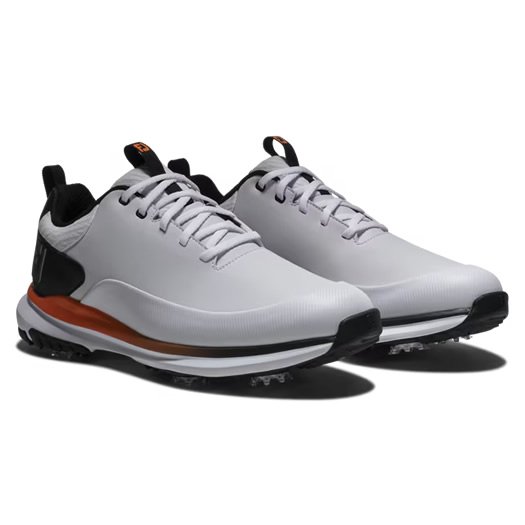
There is no single best FootJoy golf shoe for men, women, juniors, seniors, or every handicap. A low-handicap player who walks a hilly course may need a different design from a beginner who rides on a dry executive course.
The right question is not, “Which FootJoy shoe is best?” It is, “Which FootJoy golf shoe design fits my feet, game, and course?”
Why golf shoes matter to your swing
Golf shoes create the link between your body and the ground. That link supports your stance, posture, backswing, downswing, impact, and follow-through. If your feet move too much, your body may lose balance before the club reaches the ball.
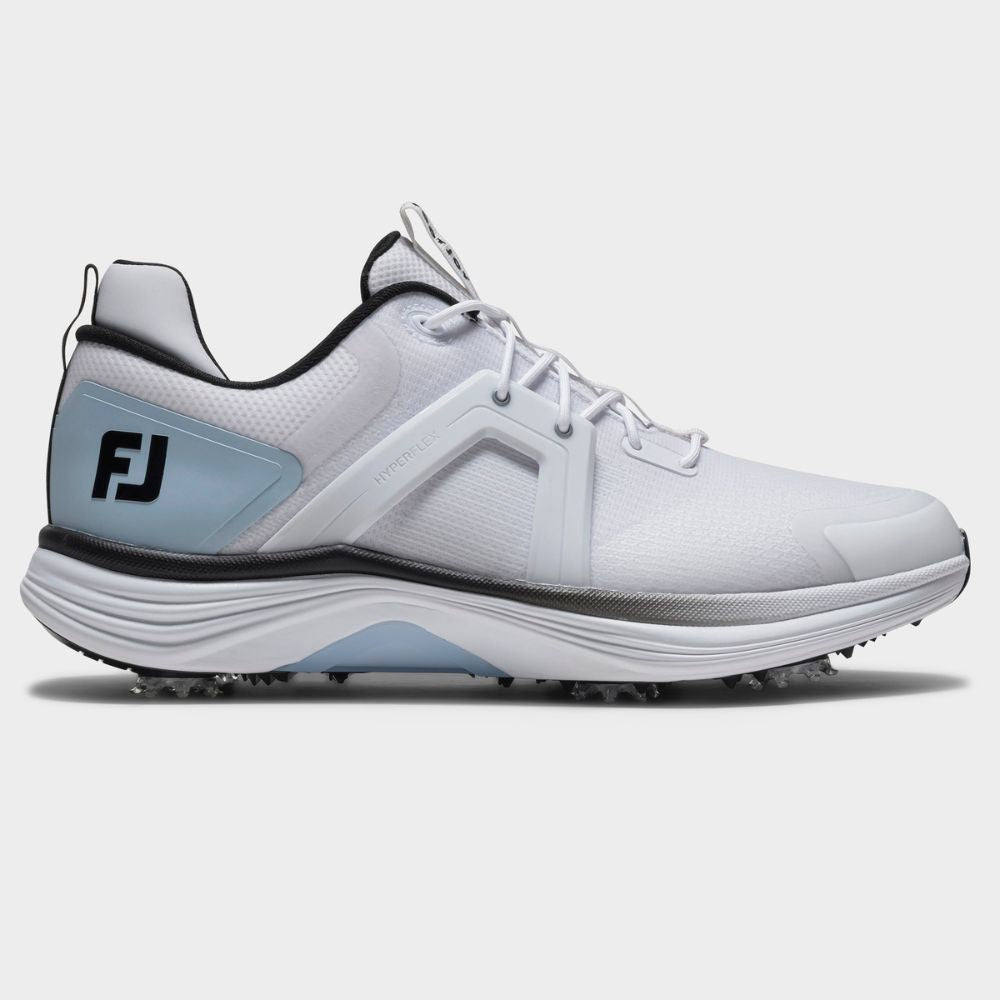
A golf swing uses ground force. You press into the turf, rotate your hips, and transfer energy through your legs and trunk. Good traction can help you make that motion with more control. It cannot fix a poor grip, weak posture, or a faulty swing path, but it can remove one source of movement.
Comfort also matters. A round may last four hours or more. Walking adds many steps on grass, slopes, paths, and uneven ground. Foot pain can change your stance and shorten your walk. It may also affect your mental game late in the round.
Traction and balance
Traction means the outsole resists unwanted movement. On a dry fairway, a modest pattern may be enough. On wet grass, a steep tee box, or a soft slope, you may need deeper lugs or a stronger grip system.
Too much grip can also be a problem. If your feet stay fixed while your hips rotate, your knees or lower back may receive extra stress. The best traction feels secure but still lets your body turn in a natural way.
Comfort during a full round
Comfort comes from more than soft foam. It depends on fit, heel hold, toe room, arch shape, weight, cushioning, and breathability. A shoe that feels soft for five minutes may not suit you after 18 holes.
Walking golfers should pay close attention to weight and flex. Riders may care more about easy entry, moisture control, and stable support. Both groups need a firm heel and enough room for the toes to spread.
Footwear and the rules
Golf shoes are not covered by one simple “approved shoe” standard for all play. The Rules of Golf focus on how equipment affects play, while a club or event may set dress or footwear policies. Metal spikes, removable spikes, or certain sole designs may be limited by local rules.
📜 Check the Rules: Before a competition, check the latest Rules of Golf and the local committee’s policies. Also follow the course’s rules about soft spikes, changing shoes, and walking on sensitive areas.
The main FootJoy golf shoe designs
FootJoy golf shoes can be understood by their structure rather than by a simple “best to worst” list. Common design groups include spiked shoes, spikeless shoes, traditional leather styles, athletic styles, waterproof shoes, and lightweight summer shoes.

The right group depends on your conditions. A links course with firm ground may reward a flexible outsole. A parkland course with wet rough may call for more water protection. A player who walks may place comfort above a formal look.
| Design type | Main strength | Best suited to |
|---|---|---|
| Spiked | Strong turf grip | Wet, soft, or sloped courses |
| Spikeless | Easy walking and broad use | Dry courses, practice, and casual rounds |
| Traditional leather | Structure and classic feel | Players who value support and a firm upper |
| Athletic | Flexibility and light weight | Walkers, beginners, and warm conditions |
| Waterproof | Protection from wet grass | Early tee times and rainy climates |
| Wide-fit design | More space through the foot | Broad feet or feet that swell while walking |
A spiked shoe is not automatically better. A spikeless shoe is not automatically less stable. The outsole, midsole, upper, and fit all work together.
Spiked FootJoy shoes
Spiked designs use cleats or replaceable traction elements under the outsole. They can provide strong grip in soft turf and wet rough. Many players like the planted feel during the downswing.
They may feel less natural on hard paths. They also need more care. Check the cleats for wear and replace them when the grip pattern becomes smooth. Do not walk on delicate floors with them unless the course allows it.
Spiked shoes can suit powerful players, steep swingers, and golfers who play in rain. They may not suit a golfer who walks across long stretches of pavement or hard cart paths.
Spikeless FootJoy shoes
Spikeless shoes use molded traction patterns instead of separate cleats. They often feel lighter and more flexible. They can work well for practice, casual golf, and dry conditions.
Their grip depends on the pattern and rubber compound. A shallow pattern may lose traction sooner in wet grass. A strong pattern may offer good stability, but it can still collect mud.
Spikeless shoes often suit beginners, junior golfers, and players who move between the driving range and the course. They can also suit golfers who want one flexible design for walking and practice.
Traditional and athletic designs
Traditional designs often use firmer materials and a more structured upper. They may support a stable stance and resist stretching over time. Athletic designs often feel more like running or walking shoes, with more flex and lower weight.
Neither design is right for every foot. A golfer with a narrow heel may need a structured heel counter. A golfer with a sensitive forefoot may prefer a softer upper and more flex.
How to find the right fit
The best way to find a FootJoy golf shoe fit is to measure both feet, try shoes late in the day, and check them in a golf stance. Feet can swell after hours of walking, so a shoe that feels tight in the morning may feel worse on the back nine.

Wear the socks you use for golf. Stand up when checking length. Your toes should not touch the front when you bend your knees or walk downhill. Your heel should stay in place when you take a step.
Try a few slow practice movements. Make a small backswing, shift pressure to the front foot, and hold a balanced finish. The shoe should feel secure without pinching or forcing your toes together.
| Fit check | Good sign | Warning sign |
|---|---|---|
| Toe room | Toes can spread and move | Toes touch the front or feel cramped |
| Heel hold | Heel stays down while walking | Heel lifts with each step |
| Midfoot | Firm, even contact | Tight pressure over the arch |
| Width | Foot sits inside the sole | Foot spills over the edge |
| Flex point | Shoe bends near the toes | Shoe bends under the arch |
| Stance test | Balanced and stable | Foot rolls or slides |
A wide size is not only for people with visibly wide feet. Some feet swell during a round. Some golfers need extra room because of bunions, high volume, or thick socks.
Width, arch, and toe shape
Foot shape varies by person. Some golfers have a narrow heel and broad forefoot. Others have a high arch, flat arch, or long toes. A good shoe should support the foot without trying to change its natural shape.
Arch support should feel like steady contact, not a hard lump. If a shoe creates numbness, burning, or sharp pressure, it may not suit your foot. Persistent pain deserves attention from a doctor or qualified health professional.
Fit for men, women, seniors, and juniors
Men’s and women’s golf shoes may use different shapes, widths, and size systems. The label does not matter as much as the actual fit. Women with broad feet may need a wider option, while men with narrow feet may need a narrower shape.
Senior golfers may need cushioning, stable heel support, and easy walking. A shoe that is too stiff can make a long round tiring. A shoe that is too soft may reduce stability for a player with balance concerns.
Junior golfers need room to grow, but not so much room that the foot slides. Oversized shoes can affect balance, footwork, and safety. Parents should check fit often because children’s feet can change quickly.
👪 Parent or Beginner Note: For a new golfer, comfort and secure fit matter more than a formal look. A junior should be able to walk, squat, and make a slow practice swing without the shoe slipping.
FootJoy shoes for different course conditions
The best golf shoe for dry summer turf may not be the best for morning dew, heavy rain, or a windy links course. Weather changes the ground beneath your feet, and the ground changes the traction you need.

A course superintendent manages moisture, mowing height, drainage, and turf health. Those factors shape how the ground feels. A fairway may be firm while the rough stays soft. A shaded area may remain wet after the rest of the course dries.
| Course condition | Useful shoe features | Limitation to consider |
|---|---|---|
| Dry, firm fairway | Flexible sole and moderate grip | Deep lugs may feel harsh |
| Wet morning dew | Water-resistant upper and firm traction | Heavy materials may reduce comfort |
| Soft parkland turf | Strong outsole grip | Mud may collect in the tread |
| Firm links ground | Flexible outsole and low bulk | Less protection from deep wet turf |
| Hilly course | Heel hold and stable platform | Very soft shoes may feel unstable |
| Hot summer round | Breathable upper and light weight | Breathable materials may offer less rain protection |
Waterproof does not mean ideal in every climate. A sealed upper can reduce breathability in hot weather. A highly breathable shoe may dry quickly but allow water through during steady rain.
Rain and wet grass
Wet grass reduces friction. Your feet may slide during the downswing or when walking across a slope. In these conditions, check the outsole pattern and the heel hold.
Water can also soften socks and skin. That may lead to blisters. Dry socks, good foot care, and a proper fit can help. If your feet become numb or painful, stop and address the problem.
Heat and humidity
Warm weather increases sweat. Moisture can cause rubbing and hot spots. Breathable materials, moisture-wicking socks, and a little space around the toes can improve comfort.
Do not confuse light weight with poor support. A good summer shoe still needs a stable heel and a sole that bends in the right place. Take water breaks and use sun protection during long rounds.
⚠️ Safety Warning: Leave the course at the first warning of lightning. Shoes cannot protect you from a storm. Seek proper shelter and follow course staff instructions.
Cold weather and changing turf
Cold ground may feel hard at first and soft later. Early frost can make turf fragile. Avoid walking on frost-covered grass when the course asks golfers to delay play.
Cold feet also feel less flexible. Warm socks can help, but thick socks may change the fit. Test the shoe with your normal winter golf socks before play.
Walking, riding, and golf fitness
Walking golfers place greater demands on footwear. They need comfort, low weight, good heel hold, and a sole that works on slopes. Riders still need grip because a swing creates force, but they may place less value on long-distance comfort.

Golf fitness can change what you need. Strong legs and good ankle control may help you feel stable in a flexible shoe. A golfer with a history of ankle, knee, back, or foot pain may need more structure and should ask a health professional for advice.
A warm-up routine can prepare your body before the first tee. Walk for a few minutes, make gentle leg swings, rotate your trunk, and rehearse slow swings. Avoid forceful stretches when your muscles are cold.
| Player profile | Footwear priority | Helpful habit |
|---|---|---|
| New golfer | Comfort and easy balance | Walk and make practice swings before a round |
| Walking golfer | Low weight and cushioning | Check fit after a long walk |
| Cart golfer | Stable heel and traction | Test the stance on uneven ground |
| Senior golfer | Support and easy flex | Warm up ankles, hips, and calves |
| Junior golfer | Light weight and secure fit | Recheck size as feet grow |
| Competitive golfer | Consistent traction | Match the shoe to course conditions |
A shoe cannot replace strength work or medical care. Repeated pain in the heel, arch, knee, hip, or lower back may signal a fit issue or a movement problem.
How walking changes shoe needs
Walking exposes small fit problems. A loose heel may cause rubbing. A tight toe box may cause numbness. A stiff sole may feel fine on the first tee but tiring by the 16th hole.
If you walk an executive course, you may still cover several miles. Do not assume a short course means low footwear demands. Hills, heat, and pace of play can matter more than total yardage.
Riding in a golf cart
Cart golfers still need a secure stance. A wet lie, sidehill lie, or bunker shot can challenge your balance. When riding, use safe cart practices, slow down near slopes, and keep hands and feet inside the cart.
Avoid driving close to greens, tee boxes, or wet areas when local rules restrict carts. Good golf etiquette includes protecting turf and following cart signs.
Choosing by skill level and handicap
Your handicap index describes scoring ability relative to course difficulty. A handicap is not a direct measure of shoe needs. Beginners may need a forgiving, comfortable design, while low-handicap golfers may notice small changes in stability or sole flex.

A new player often spends more time learning grip, stance, posture, clubface control, chipping, pitching, bunker shots, and putting than analyzing footwear. That is normal. Footwear should support learning, not become a distraction.
Improving amateurs may benefit from comparing traction on different lies. They can notice whether the feet stay stable during a full driver swing, a partial wedge shot, and a greenside bunker shot.
| Skill stage | Main shoe question | What to observe |
|---|---|---|
| Beginner | Can I walk and swing comfortably? | Fit, balance, and pressure points |
| Developing player | Does the shoe stay stable? | Foot movement during impact |
| Low handicap | Does it suit my swing and turf? | Traction, flex, and consistency |
| Junior learner | Is it safe and secure? | Weight, fit, and freedom of movement |
| Returning golfer | Does it reduce strain? | Comfort after nine and 18 holes |
A strong player with a fast swing may create more ground force, but swing speed alone does not decide the shoe. A smooth-tempo player can still need excellent grip on a wet slope.
Beginners and high handicaps
Beginners often change stance width, ball position, and posture from shot to shot. A shoe that feels stable can make it easier to learn these basics. However, shoes cannot correct a slice, a hook, a shank, or poor contact.
High-handicap players should also think about pace of play. Comfortable shoes may help them stay focused while they learn course management, club choice, and basic golf etiquette.
Improving amateurs
Improving players should test shoes during practice, not only while standing still. Hit half shots, full irons, drivers, chips, and putts. Notice whether your feet slide, roll, or feel trapped.
Do not make a major swing change only because a new shoe feels different. Give your body time to adapt, and ask a PGA professional for help when a fault continues.
Advanced and competitive golfers
Competitive golfers may care about repeatable feel. They often play different courses, including firm links layouts, wet parkland courses, and tightly mown tournament surfaces.
Rules and local policies matter more in competition. Check whether the event permits the outsole type you plan to use. The latest Rules of Golf and the tournament committee control the final answer.
FootJoy golf shoes and common golf shots
Different shots place different demands on your feet. A driver swing creates speed and rotation. A pitch shot uses less motion. A bunker shot asks you to dig your feet into the sand while keeping balance.
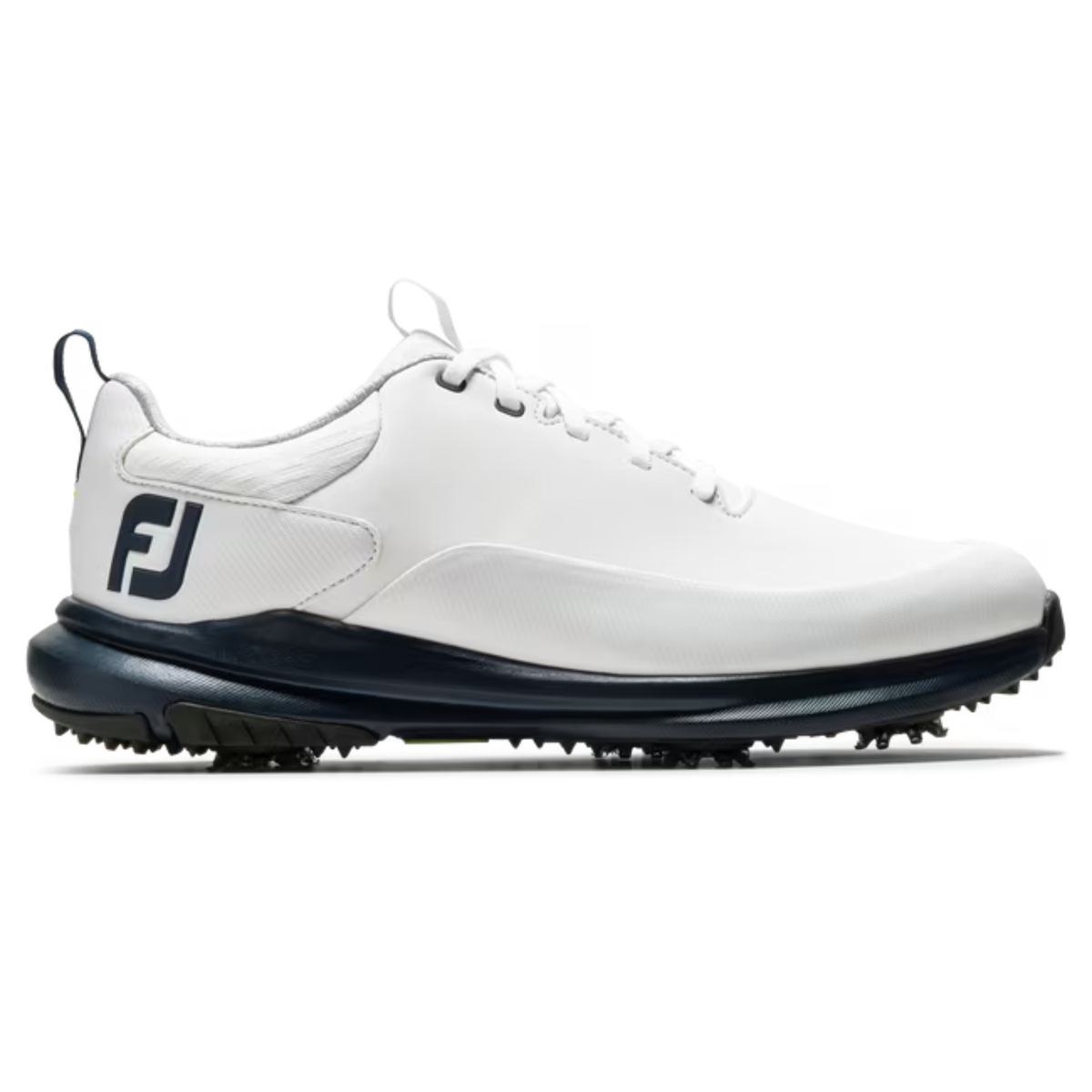
For a full swing, stable traction can support pressure transfer. For chipping, comfort and ground feel may matter more. For putting, the shoe should let you stand square without rocking from heel to toe.
Green reading is also easier when your stance feels natural. Shoes do not read the break, but discomfort can pull your attention away from speed, line, and setup.
Full shots
On a full shot, keep your feet active but stable. Do not grip the turf by curling your toes. That creates tension. Let the feet support a balanced stance while the hips and shoulders turn.
A golfer who slides away from the target may blame the shoes, but the cause can be poor balance, a reverse pivot, or a rushed tempo. Review the swing before changing equipment.
Chipping and pitching
Chipping uses a smaller motion and often a narrow stance. A shoe with a flexible forefoot can feel comfortable as you move pressure toward the lead foot.
Pitching adds more wrist hinge, speed, and body rotation. If the lie is damp, traction becomes more important. Keep the swing smooth and avoid forcing the club through the grass.
Bunker shots
In a bunker, golfers need enough grip to enter the sand safely. Follow the course’s bunker rules. Do not drag your feet or take unnecessary practice swings that damage the surface.
After the shot, rake the bunker as directed. Course care protects the next player and keeps the sand playable.
🌿 Course Care Note: Repair ball marks, replace divots when allowed, rake bunkers, and keep carts away from restricted areas. Good footwear should protect your feet without harming the course.
Putting
Putting uses little body rotation, but balance still matters. Stand with even pressure across both feet. A shoe that feels uneven can change your posture and eye position over the ball.
On fast greens, small balance errors can affect distance control. The issue may come from stance or posture, not the shoe. Practice short putts and lag putts before judging your equipment.
Common mistakes when choosing golf footwear
Many golfers focus on style or brand name before checking fit and course use. The best FootJoy golf shoes for one player may create problems for another if the width, outsole, or weather protection does not match.

A common mistake is testing shoes while seated. Your foot changes when you stand, bend your knees, and load the ground. Always test the shoe in a golf stance.
Another mistake is using one design in every season. A light summer shoe may not handle wet spring turf. A heavy waterproof shoe may feel too warm in humid weather.
| Mistake | Why it causes trouble | Better approach |
|---|---|---|
| Choosing by appearance alone | Style does not show fit or grip | Check fit, flex, and traction |
| Wearing the wrong size | Causes sliding or pressure | Measure both feet while standing |
| Ignoring width | Creates numbness or rubbing | Compare the full toe and midfoot shape |
| Using worn traction | Reduces stability | Inspect the outsole often |
| Skipping a break-in period | Creates hot spots | Use short practice sessions first |
| Wearing wet shoes repeatedly | Can damage materials | Dry them fully between rounds |
Do not ignore small discomfort. A hot spot can become a blister by the back nine. Stop, adjust your socks, and address the fit before the issue grows.
Mistaking softness for support
Soft cushioning can feel pleasant at first. But a very soft midsole may feel unstable to some golfers. Support means the foot stays aligned and controlled, not simply that the shoe feels firm.
Wearing shoes with poor heel hold
Heel lift can cause rubbing and reduce confidence during the downswing. Tightening the laces may help, but it cannot fix the wrong heel shape.
Using old shoes too long
Outsoles wear down. Foam can lose resilience. Waterproof materials can also weaken. Look for smooth traction, uneven wear, cracked areas, or a change in comfort.
🔧 Quick Fix: If the shoe feels fine on flat ground but unstable on a slope, test the outsole and heel hold. If the foot still moves, the design may not match your course or foot shape.
A simple FootJoy golf shoe testing routine
You can learn a great deal in ten minutes with a careful test. Use this routine for new golfers, parents, and improving players who want to compare fit without relying on appearance.

Wear your normal golf socks. Stand, walk, bend, and make slow practice swings. Then test the shoe on a firm surface and, if possible, on grass.
Five-step test
- Stand and check toe room. Make sure your toes do not touch the front.
- Walk and stop. Notice whether the heel lifts or the foot slides.
- Bend into a golf stance. Check pressure across the forefoot and arch.
- Make slow practice swings. Hold a balanced finish.
- Test a short walk. Look for rubbing, heat, or numbness.
The shoe should feel secure without needing excessive lace tension. If one foot feels different, fit the larger foot first and use the smaller foot as the secondary check.
Test the shoe with golf movements
Use a narrow putting stance, a chipping stance, and a full-swing stance. These positions reveal different pressure points. Also walk on a mild slope if the course near you has hills.
Do not judge the shoe after one static step. Golf is a moving sport. A shoe should support movement without forcing the foot into a rigid position.
FootJoy golf shoe care and lifespan
Care affects comfort, traction, and water protection. Keep grass and mud from drying on the outsole. Remove loose dirt with a soft brush and let the shoe dry at room temperature.

Do not place wet golf shoes on a heater or in strong direct heat. Heat can damage adhesives, leather, foam, and waterproof layers. Use clean paper or a shoe tree if the manufacturer permits it.
Rotate footwear when possible. Allowing a pair to dry fully can help control odor and preserve the upper. Store shoes in a dry, ventilated place.
| Care task | How often | Why it helps |
|---|---|---|
| Remove grass and mud | After each round | Protects traction and materials |
| Air dry fully | After wet play | Limits odor and material damage |
| Check cleats or lugs | Every few rounds | Finds worn traction early |
| Clean upper gently | When marked | Preserves appearance and finish |
| Inspect seams | At season changes | Finds leaks and separation |
| Check insoles | When comfort changes | Finds compression or wear |
Replace or repair footwear when the sole separates, traction becomes smooth, or the upper no longer holds the foot. A worn shoe can affect grip and comfort even if it still looks acceptable.
A practical checklist for golfers
The best FootJoy golf shoes should pass a simple checklist based on your own needs. Use the list before a season begins or when your current footwear starts to feel different.

Fit checklist
- Do both feet fit without pressure?
- Can your toes spread?
- Does the heel stay in place?
- Does the shoe bend near the toes?
- Can you walk without rubbing?
- Does the shoe feel stable in a golf stance?
Course checklist
- Is your home course wet or dry?
- Is the ground firm or soft?
- Do you walk hills?
- Do you play early morning rounds?
- Do local rules limit certain outsole types?
- Do you use a cart or walk most rounds?
Player checklist
- Are you a beginner learning balance?
- Do you have a fast or smooth swing tempo?
- Do you need extra width?
- Are you a senior with joint concerns?
- Is the shoe for a junior whose feet are growing?
- Do you have pain that needs medical advice?
These questions give a clearer answer than a general online ranking. They also help parents and new golfers avoid choosing footwear that looks suitable but does not fit the player.
FAQs about the best FootJoy golf shoes
Q: What makes a FootJoy golf shoe good?
A: A good FootJoy golf shoe has a secure fit, useful traction, suitable weather protection, and enough comfort for the full round. The best design depends on your foot shape, walking habits, course conditions, and local rules.
Q: Are spiked or spikeless FootJoy golf shoes better?
A: Neither is always better. Spiked shoes may suit wet or soft turf and players who want strong grip. Spikeless shoes may suit dry courses, practice, walking, and golfers who prefer a lighter, more flexible feel.
Q: What are the best FootJoy golf shoes for beginners?
A: Beginners usually benefit from a comfortable, stable, easy-to-walk-in design. Focus on fit, heel hold, toe room, and moderate traction. Do not choose a shoe only because it looks traditional or athletic.
Q: What are the best FootJoy golf shoes for seniors?
A: Seniors often need a stable heel, comfortable cushioning, easy flex, and enough room for natural foot swelling. A walking test and a slow practice swing can reveal more than standing still.
Q: What are the best FootJoy golf shoes for women?
A: The best choice for a woman golfer depends on foot shape, width, course conditions, and walking needs. Use the same fit checks as any golfer, and do not assume a narrow shape is always correct.
Q: What are the best FootJoy golf shoes for juniors?
A: Junior golfers need light, secure shoes with room for natural movement. Avoid oversized footwear. A shoe that slips can affect balance, footwork, and safety during a swing.
Q: Can golf shoes help a slice?
A: Golf shoes cannot fix a slice. A slice often involves an open clubface, an outside-to-inside swing path, or poor impact timing. Stable traction can help you make a balanced swing, but a PGA professional should assess a lasting swing fault.
Q: How long does it take to break in golf shoes?
A: It depends on the materials and your feet. Use short sessions first. Walk and practice for a limited time before playing 18 holes. Stop if you develop pain, blisters, numbness, or sharp pressure.
Q: Can I wear FootJoy golf shoes away from the course?
A: Some spikeless designs may feel suitable for casual use, but check the outsole and the setting. Spiked shoes are not suitable for many hard indoor surfaces. Follow the course and facility rules.
Q: Are waterproof golf shoes breathable?
A: Waterproof protection can reduce airflow compared with a highly breathable upper. The balance varies by design. Waterproof shoes may suit rain and dew, while breathable shoes may feel better in hot, dry weather.
Q: Do golf shoes affect putting?
A: Golf shoes do not read greens or control the putter. They can affect comfort and balance. A stable stance may help you repeat your setup, but putting skill still depends on green reading, speed control, alignment, and practice.
Q: Can I wear running shoes for golf?
A: Running shoes may feel comfortable, but they may not provide enough traction on grass, slopes, or wet lies. They also may not meet a club or event’s footwear policy. Check local rules before play.
Q: What should I do if my golf shoes cause foot pain?
A: Stop and check the fit, socks, laces, and walking pattern. Do not play through sharp or lasting pain. See a doctor or qualified health professional for persistent symptoms, and ask a PGA professional to review any related swing changes.
Q: Do left-handed golfers need different golf shoes?
A: No. Left- and right-handed golfers can use the same shoe types. However, each player may load the feet differently, so test balance and traction from your normal swing side.
Q: Do golf shoes affect handicap index?
A: Golf shoes do not directly change a handicap index. Handicap is based on scores and course difficulty, including course rating and slope rating under the current handicap system. Shoes may affect comfort and stability, but they do not replace practice or course management.
Final thoughts
The best FootJoy golf shoes are not defined by one universal model or one player type. They are defined by fit, traction, comfort, weather protection, course use, and the golfer’s own movement.
Beginners should start with balance and comfort. Improving players should study grip, flex, and performance on different lies. Seniors should consider support and walking comfort. Parents should focus on secure junior fit and safe movement. Every golfer should check local footwear rules and care for the course.
Use a simple test: measure both feet, try the shoe in a golf stance, walk on grass, make slow swings, and check how your feet feel after time on the course. The right design should become a quiet part of your game, letting you focus on the target, the shot, and the next step.