What Are The Best Women’s Golf Shoes For Walking: Comfort
Walking 18 holes can mean covering several miles over uneven ground. Your feet face grass, sand, wet paths, slopes, roots, and hard cart tracks. That makes golf shoes more than a style choice. They affect grip, comfort, balance, and how well you stay fresh from the first tee to the final green.
The best women’s golf shoes for walking are the ones that fit your foot well, support a steady gait, grip the turf, and suit the course and weather. No single design suits every golfer. A beginner on a flat executive course may want light, flexible shoes. A low-handicap player who walks a hilly links course may need stronger traction and more structure.
This guide explains what to look for in women’s golf shoes for walking. It covers fit, traction, waterproofing, comfort, foot shape, climate, course type, age, handicap, and common mistakes. It also explains how shoes can support your stance, swing, and pace of play without promising to fix a swing fault.

Quick answer: What makes a women’s golf shoe good for walking?
The best women’s golf shoes for walking combine a secure fit, stable grip, useful cushioning, and enough flexibility for a natural stride. Waterproof protection helps in wet conditions, while breathable materials suit hot weather. Spikeless soles suit many dry courses, while soft spikes can provide more traction on wet or steep ground. Choose by foot shape, course conditions, walking distance, and comfort—not by appearance alone.

A walking golfer should be able to take a normal step without pressure on the toes, heel, or arch. The shoe should hold the heel in place and let the forefoot bend near the toes. It should also support your golf stance without making your feet feel stiff.
A women’s model may use a narrower heel, a different shape through the midfoot, or a shorter length range. But “women’s” does not mean every woman has the same foot. Some women need a wide toe box. Some need more arch support. Some prefer a unisex shape. The right fit matters more than the label.
Why walking golfers need different shoe features
Walking places repeated stress on the feet, ankles, knees, hips, and lower back. A golf swing adds short bursts of force during the backswing, downswing, impact, and follow-through. Good golf shoes help your feet stay connected to the ground while still allowing a smooth walk between shots.

Walking versus riding
Golfers who ride in a cart may spend less time on their feet, but they still need traction and balance. A walking golfer takes many more steps and feels every hot spot, loose heel, and hard edge. Small fit problems can become painful after several hours.
A junior golfer, older golfer, or player returning from an injury may notice this even more. A lighter shoe can reduce fatigue, but very little structure may not suit a golfer who needs extra stability. Your body, course, and walking pace all matter.
Golf shoes and the swing
Your shoes do not create a better swing by themselves. They can, however, give you a stable base for posture, stance width, weight shift, and rotation. A shoe that slips during the downswing can make you tighten your legs or change your balance.
A beginner should first seek comfort and secure footing. An improving player may pay closer attention to how the sole interacts with the turf during impact. A golfer with a powerful swing or fast tempo may need more lateral support than a gentle swinger.
| Walking need | Useful shoe feature | Why it matters |
|---|---|---|
| Long rounds | Cushioning and low weight | Helps reduce foot fatigue |
| Wet grass | Water-resistant upper and traction | Helps keep feet dry and secure |
| Hilly terrain | Firm heel hold and stable midsole | Helps reduce unwanted foot movement |
| Hot weather | Breathable upper and moisture control | Helps limit heat and rubbing |
| Sensitive feet | Smooth lining and a roomy toe area | Helps reduce pressure points |
The main takeaway is simple: walking comfort and swing stability must work together. A soft shoe that lacks grip may feel pleasant at first but feel unsafe on a damp slope.
The main types of women’s golf shoes for walking
Golf shoes usually fall into three broad groups: spikeless, soft-spike, and golf shoes designed more like walking sneakers. Each group can work well, but each has limits.
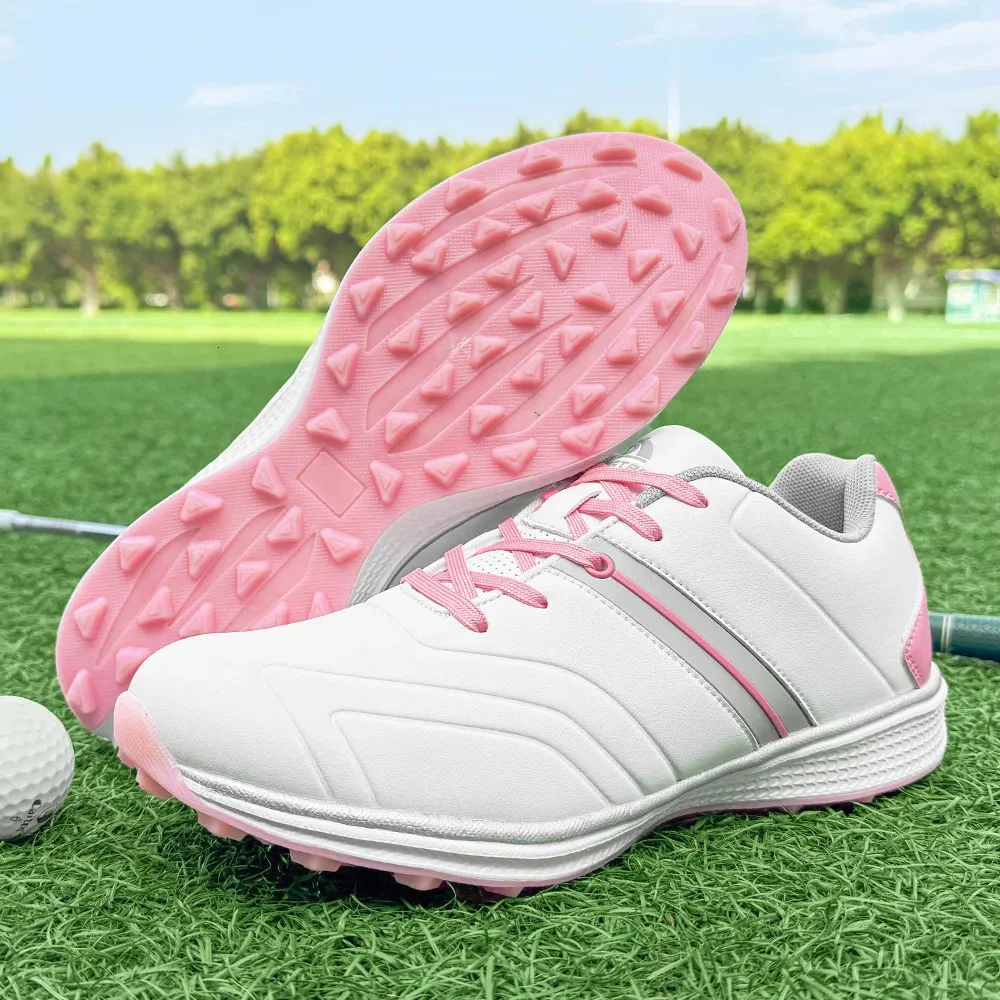
Spikeless golf shoes
Spikeless shoes use small rubber lugs, dimples, or traction patterns instead of replaceable spikes. They often feel natural on paths and clubhouse floors. Many suit golfers who walk on dry, firm courses or play golf in several settings.
Their traction depends on the sole pattern and the ground. On wet grass, steep slopes, or soft soil, some spikeless designs may not grip as well as soft spikes. They also need clean soles. Mud can fill the tread and reduce traction.
Spikeless shoes can suit beginners, casual walkers, and golfers on firm courses. They may also suit seniors who want an easy transition from a normal walking shoe. They may not suit a player who often walks early in wet conditions or plays on steep, soft terrain.
Soft-spike golf shoes
Soft-spike shoes use removable plastic cleats. The cleats can provide strong grip during the swing and while walking on damp turf. They are often useful for hilly courses, wet climates, and golfers who want a more planted feel.
The extra traction does not mean you should twist aggressively. Your feet still need to release through the swing. A very rigid shoe can feel uncomfortable for a golfer who walks long distances on hard paths.
Soft spikes may suit improving amateurs, strong ball strikers, and players who face changing weather. They can also help a golfer who feels the rear foot or lead foot sliding during impact. They may be too much for a flat, dry course if the golfer prefers a light, flexible feel.
Golf shoes with a walking-shoe feel
Some golf shoes use athletic shapes, flexible uppers, and thick midsoles. They may feel comfortable during long rounds and practice sessions. This design often suits new golfers who are not used to firm golf footwear.
The trade-off can be less support during hard lateral motion. A golfer with a fast downswing, strong ground force, or recurring ankle roll may need more structure. Comfort should not mean a loose heel or a sole that folds too easily.
| Shoe type | Strengths | Limits |
|---|---|---|
| Spikeless | Light, flexible, easy on paths | May have less grip on wet or soft ground |
| Soft-spike | Strong traction and stable footing | Can feel firmer and less natural off the course |
| Walking-style golf shoe | Comfortable for long walks | May offer less support for powerful swings |
Try to match the shoe type to the course, not just the shoe’s appearance. A flat municipal course and a wet hillside course place very different demands on your feet.
Fit matters more than gender labels
A good fit is the foundation of a good walking golf shoe. The heel should stay secure when you walk uphill. The toes should have room to spread and move. The widest part of your foot should sit over the widest part of the shoe.

Check length, width, and toe space
Your feet may swell during a long round. Check the fit later in the day if possible, or wear the socks you use for golf. Leave a small amount of space in front of the longest toe, but do not allow the foot to slide forward.
Your toes should not press into the upper when you walk downhill. A roomy toe area can help golfers with bunions, broad forefeet, or sensitive joints. Too much space, however, can cause sliding and blisters.
Check the heel and midfoot
Tie the shoe firmly enough to hold the heel without causing numbness. Walk up and down a slope if you can. Your heel should not lift with every step.
The midfoot should feel supported but not squeezed. A golfer with a high instep may need more volume over the top of the foot. A golfer with a narrow heel may need a design with stronger heel hold.
Think about socks and orthotics
Golf socks can change the fit. Thick socks add warmth and cushion but take up more space. Seamless socks can help reduce rubbing for players who often develop hot spots.
If you use an orthotic or custom insert, test it inside the shoe. The original insole may be removable, but not every shoe has enough depth. People with recurring foot pain should ask a medical professional or podiatrist for guidance.
| Fit check | Good sign | Warning sign |
|---|---|---|
| Toes | Toes can spread and move | Numbness or pressure at the tips |
| Heel | Heel stays in place | Repeated lifting or rubbing |
| Width | Foot rests naturally | Little toe presses against the side |
| Arch | Even, mild support | Sharp pressure under the arch |
| Ankle | Stable without digging | Collar cuts into the skin |
Fit should be checked while standing and walking. A shoe that feels fine while seated may feel too short or narrow once your body weight is on it.
Match the shoe to weather and course conditions
Weather changes how your feet interact with the ground. Wet grass, dry turf, sand, heat, cold, and mud each call for a different balance of grip, breathability, and protection.
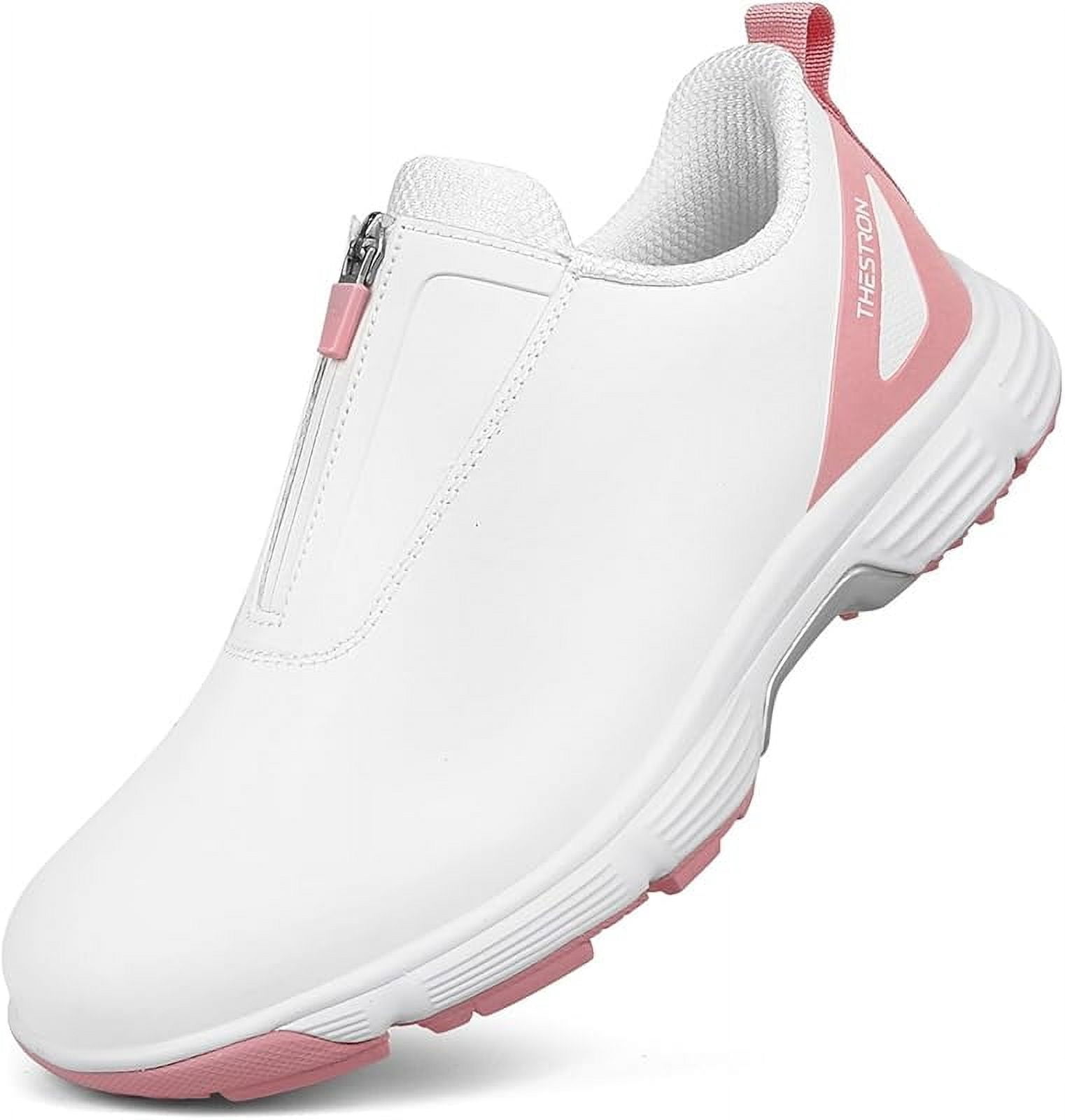
Wet mornings and rainy rounds
Moisture can come from rain, dew, wet rough, or a damp practice area. A water-resistant upper can help keep socks dry, but no shoe stays fully dry in every storm. Water can enter through the tongue, seams, or the top opening.
Wet turf also reduces traction. Take shorter steps on slopes. Keep your center of mass over your feet. For the swing, use a stable stance but avoid forcing extra pressure into the ground.
Hot and humid conditions
Breathable materials can help reduce heat and moisture. This matters on long walks, especially for juniors, seniors, and golfers who sweat heavily. Change socks after a round if your feet remain damp.
Heat affects the whole body, not just the feet. Drink water before and during the round. Use sun protection, seek shade when possible, and watch for dizziness, confusion, or unusual weakness.
Cold, firm, or frozen ground
Cold ground can feel harder under the feet. Your muscles may also need more time to warm up. Begin with a gentle warm-up routine before full swings.
In cold weather, thick socks may change the fit. Do not solve tightness by loosening the shoe so much that your heel slips. A properly fitted winter setup should allow warmth without losing control.
| Condition | Helpful design priority | Walking adjustment |
|---|---|---|
| Heavy dew | Water resistance and traction | Take careful steps on slopes |
| Hot weather | Breathability and moisture control | Carry water and change damp socks |
| Soft turf | Stable sole and strong grip | Avoid dragging feet through wet areas |
| Hard ground | Cushioning and flexibility | Shorten your warm-up and stride |
| Cold weather | Room for warm socks | Keep the heel secure |
Course type matters, too. A links course may have firm, rolling ground and strong wind. A parkland course may have lush fairways, wet rough, and tree roots. An executive course may involve less total walking, but many players still benefit from stable and comfortable footwear.
How to judge comfort over 18 holes
A shoe can feel comfortable for ten minutes and fail after four hours. Test more than the first impression. Walk on hard surfaces, soft grass, slopes, and stairs if possible.

Look for pressure patterns
Pain at the ball of the foot may point to a narrow forefoot, poor lacing, or an insert that does not suit you. Heel rubbing may come from a loose heel, stiff collar, or damp sock. Arch pain may reflect a support shape that does not match your foot.
Do not try to “break in” a shoe that causes sharp pain. Mild stiffness may improve with short practice walks. Numbness, burning, or repeated blisters are signs to stop and reassess.
Consider the full walking load
Golf walking includes more than fairway steps. You may cross bridges, climb hills, stand on tees, search briefly in the rough, and walk over concrete paths. A shoe must remain comfortable during all these tasks.
Your handicap does not decide what shoe you need. A high-handicap beginner may walk more slowly and spend more time on the course. A low-handicap player may walk briskly and create greater forces during the swing. Both need comfort and secure footing.
| Comfort test | What to do | What to notice |
|---|---|---|
| Flat walk | Walk for several minutes | Heel hold and forefoot comfort |
| Uphill walk | Take short steps upward | Heel lift and calf strain |
| Downhill walk | Move slowly downward | Toe pressure and sliding |
| Swing motion | Make practice swings | Lateral stability and balance |
| Long test | Wear during a short walk | Hot spots that appear later |
A useful rule is that comfort should remain steady, not merely feel good at the start. If a problem grows with every step, it may become much worse during a full round.
A simple selection process for walking golfers
Use the following steps to narrow your needs. This process suits beginners and experienced players because it begins with the body and the course rather than brand names.

1. Estimate your walking demands
Ask how often you walk 9 or 18 holes. Think about the course length, hills, climate, and pace. A short executive course has a different load from a long championship layout.
A parent choosing shoes for a junior should also consider growth, but oversized shoes can cause sliding and poor balance. Juniors need secure, properly sized footwear and enough room for normal movement.
2. Identify your foot shape
Note whether your foot is narrow, average, or wide. Look for bunions, a high instep, flat feet, or an ankle that rolls inward or outward. These details can affect comfort and stability.
If you have diabetes, reduced sensation, a past stress injury, or ongoing swelling, professional advice matters. You may not feel pressure early enough to prevent skin or tissue damage.
3. Choose your traction level
Dry, firm ground may suit a flexible spikeless sole. Wet, soft, or sloped ground may call for stronger traction. If you play in many conditions, choose a design that does not create discomfort on hard paths.
Remember that traction is not a substitute for sound movement. Keep your stance balanced, maintain posture, and avoid sudden turns on wet slopes.
4. Test swing movement
Make slow practice swings, then a few swings at normal speed. The shoe should not fold at the wrong point or let the foot slide inside. Check both lead-foot stability and trail-foot comfort.
A golfer with a quick tempo may need more support. A golfer with joint stiffness may need more flexibility. Neither type should accept pain as a normal part of golf.
5. Walk before a full round
Start with a short walk or a 9-hole round. Notice hot spots, heel movement, and fatigue. Give your body time to respond before using any new shoe for a long tournament or charity event.
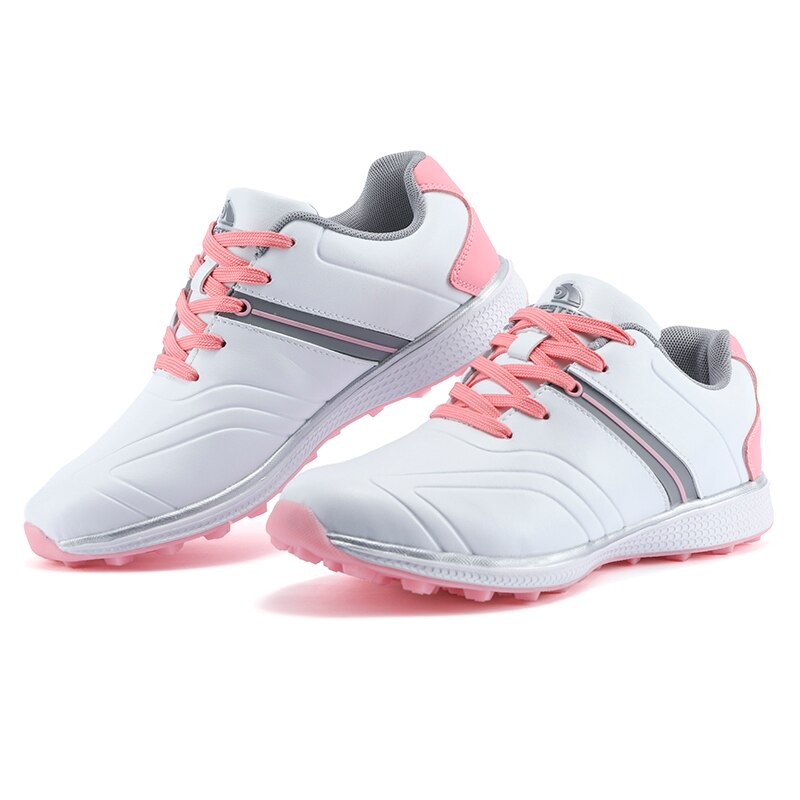
The best women’s golf shoes for walking are personal because feet and courses differ. This process helps you make a sound choice without relying on a ranking or a trend.
Common mistakes that reduce comfort and stability
Many walking problems come from fit, care, or preparation rather than the basic shoe type. Fixing a small issue early can make a long round feel far easier.
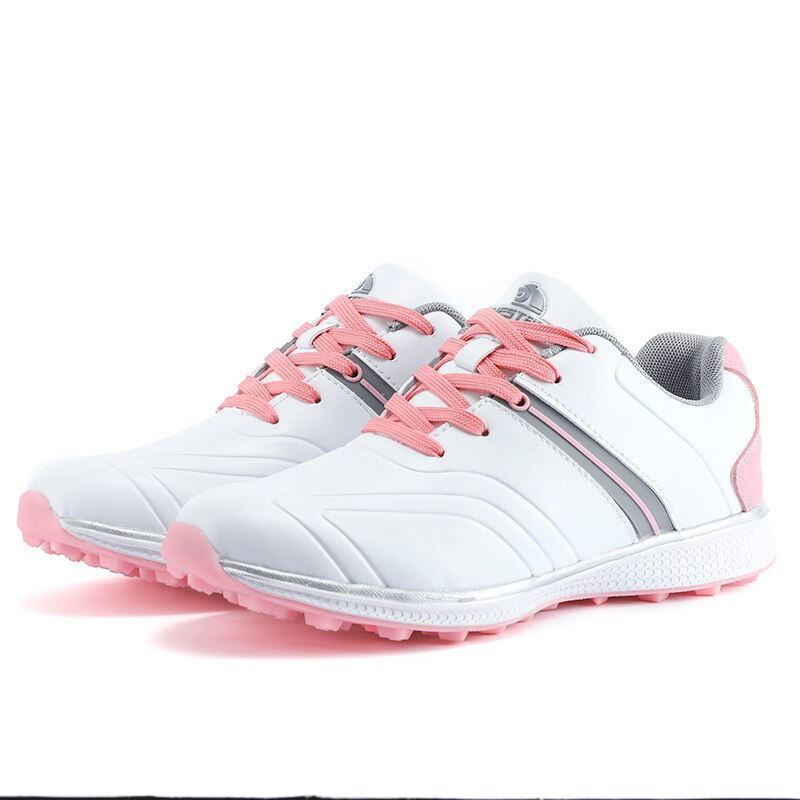
Wearing the wrong size
A shoe that is too short can press the toes on downhill walks. A shoe that is too large can cause the foot to slide and create blisters. Both problems can affect balance during the golf swing.
Measure both feet if possible. Many people have one foot slightly longer or wider than the other. Fit the larger foot and use lacing or an insert only if it does not create pressure.
Ignoring the heel
A loose heel causes rubbing and makes the foot work harder. It can also make you feel unstable in the downswing. Use a heel-lock lacing method if the shoe allows it, but do not tighten so much that the ankle feels trapped.
Choosing soft cushioning without support
Soft foam can feel pleasant at first. Too much softness may reduce your sense of the ground or allow excess motion. This may not suit a golfer with weak ankles or a forceful swing.
Wearing worn traction
Soles lose grip over time. Dirt, mud, and grass can also fill the tread. Clean the outsole after each round and check for worn lugs or damaged cleats.
Skipping a warm-up
Cold feet and stiff calves can change your walking stride and swing balance. Start with a few minutes of easy walking, ankle circles, calf raises, and controlled practice swings. Do not begin with your hardest driver swing.
| Problem | Likely cause | Useful response |
|---|---|---|
| Heel blisters | Loose heel or stiff collar | Improve heel hold and check socks |
| Toe pressure | Short fit or downhill sliding | Recheck length and lacing |
| Foot fatigue | Poor cushioning or long walking load | Assess support and take safe breaks |
| Slipping on turf | Worn or unsuitable traction | Clean or replace worn sole parts |
| Arch discomfort | Mismatched support | Test another insert or seek advice |
A shoe problem can look like a swing problem. If you feel unstable, you may change your stance, grip, or posture without noticing.
How shoes support golf technique and course management
Footwear affects the base of the swing, but it does not replace practice. A stable shoe can support sound technique while you work on grip, stance, posture, tempo, and impact.

Full swings
For a full swing, your feet should feel planted without being stuck. Your trail foot may roll inward during the backswing, while the lead foot accepts force through impact and the follow-through. The shoe should allow this motion without sliding.
Keep your stance width suited to the club. A driver stance is usually wider than a wedge stance. A stable shoe helps, but excessive grip may make you resist a natural release.
Chipping and pitching
Short-game shots need balance and control. Chipping uses a small motion with a stable lower body. Pitching adds more wrist and body motion. A flexible shoe can help you feel comfortable while walking between green-side shots.
Do not judge shoes only from the tee box. Test them while standing on slopes near the green and while reading a putt. Green reading often requires quiet feet and a stable base.
Bunker shots
Sand can move under your feet. A shoe with a broad, secure sole may help you maintain balance. Dig your feet in only as much as the shot calls for, and follow local course rules about bunker care.
Course management and pace
Comfort can support a steady pace of play. Walk directly to the next shot when safe, prepare your club and glove before it is your turn, and avoid long stops. Never rush near another golfer’s swing.
Repair ball marks, replace divots when allowed, rake bunkers, and remove broken tees and litter. Good golf shoes should help you walk the course, not damage it.
💡 Pro Tip: If your feet feel tired late in the round, check your posture before changing your swing. Standing tall, relaxing your shoulders, and taking shorter steps between shots can reduce wasted effort.
Walking shoes for different golfers
The right design can vary by skill, age, fitness, and playing goal. A shoe that suits a strong amateur may not suit a new golfer or a child.

Beginners and new golfers
Beginners often walk slowly because they are learning rules, club choice, and course flow. Comfort, easy movement, and secure footing should come first. A flexible spikeless design may suit a dry course, but wet conditions may require more traction.
A new golfer does not need to understand swing speed or launch angle to choose well. Start by checking fit, heel hold, and comfort over a short walk. Lessons with a PGA professional can help if balance or pain affects your swing.
Improving amateurs
Improving players may notice how their shoes behave during faster swings and uneven lies. A more stable sole can help them feel secure while working on weight shift, impact, and follow-through.
This golfer may also walk faster and play longer courses. Track whether foot fatigue changes your posture or decision-making on the back nine. Course management becomes harder when you are tired.
Seniors and golfers with joint concerns
Seniors may value cushioning, easy flex, and stable heel support. Those with arthritis, past ankle injuries, or reduced balance should avoid guessing about pain. A doctor, physical therapist, or podiatrist can help identify safe features.
A shoe with strong traction may help on slopes, but it cannot prevent every fall. Use a handrail where available, slow down on wet ground, and avoid walking through lightning or dangerous weather.
Junior golfers
Juniors need a secure fit, light weight, and proper size. Do not use adult shoes that are much too large. Loose shoes can affect balance, footwork, and confidence.
Parents should teach juniors to keep a safe distance during swings, stay alert near tee boxes, and follow pace and course-care rules. Children should stop play at the first sign of lightning and seek shelter.
Men and unisex fit
Men can use many of the same design principles. The key differences are usually foot shape, size range, width, and fit geometry. A man with a narrow foot may prefer a women’s shape, while a woman with a broad foot may prefer a unisex or men’s width.
Labels are less useful than actual fit. Both left-handed and right-handed golfers need the same basic traction and stability. Swing direction may change where force is felt, but it does not change the need for a secure shoe.
| Golfer | Main priority | Design that may suit |
|---|---|---|
| Beginner | Comfort and easy walking | Flexible, secure walking-style shoe |
| Improving amateur | Traction during stronger swings | Stable spikeless or soft-spike sole |
| Senior | Cushioning and balance | Supportive, flexible design |
| Junior | Correct size and light weight | Properly fitted junior golf shoe |
| Hilly-course walker | Grip and heel hold | Strong traction with stable upper |
These are starting points, not rules. A senior golfer may have a powerful swing, and a beginner may play a steep course. Adjust the choice to the person and the course.
Waterproof versus breathable golf shoes
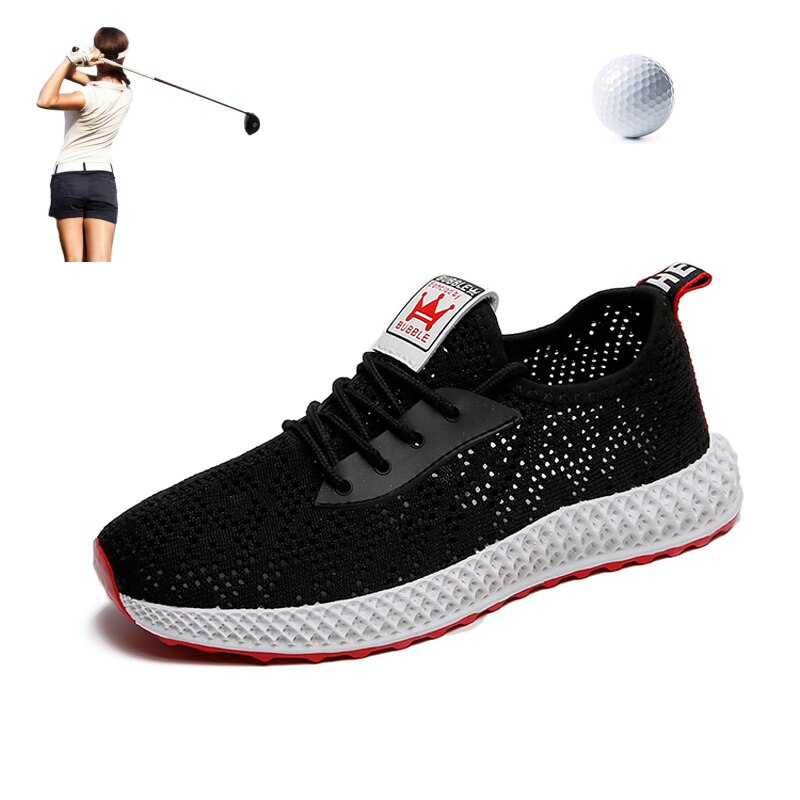
Waterproof protection and breathability often involve a trade-off. A sealed upper can help block rain but may hold more heat. A highly breathable upper may feel better in summer but offer less protection in wet grass.
When waterproofing helps
Waterproof shoes suit golfers who walk in dew, rain, wet rough, or cool climates. They can help preserve comfort when the round lasts several hours. They are not a reason to ignore puddles, damaged seams, or wet socks.
Check the care instructions. Dried mud can reduce flexibility and damage materials. Let shoes dry naturally. High heat can deform the upper or weaken adhesives.
When breathability matters
Breathability can help in hot, humid regions and during long walks. It may be useful for golfers who sweat heavily or develop blisters from damp socks. Airflow does not remove the need for proper fit.
Some golfers keep different footwear for wet and dry seasons. That can make sense for frequent walkers, but the basic rule remains the same: use the design that matches your normal playing conditions.
| Weather pattern | Better balance | Who may prefer it |
|---|---|---|
| Frequent rain | More water protection | Wet-climate walkers |
| Hot and dry | More airflow and lightness | Summer golfers |
| Mixed weather | Moderate protection and breathability | Year-round players |
| Heavy morning dew | Water resistance and traction | Early tee-time golfers |
No material stays perfect forever. Inspect seams, soles, and lining as part of normal golf equipment care.
Rules, etiquette, and course care
Golf shoes must also fit the rules and habits of the course. Most courses set footwear policies, and local committees may have special conditions. Check the latest Rules of Golf and your local committee for updates.

Spikes and the course
Soft spikes are widely used, but some facilities may limit certain sole types. Avoid damaging greens with careless twisting or dragging. Do not wear damaged cleats that could mark the putting surface.
The Rules of Golf cover how you play the ball and manage penalties. They do not turn a shoe into a legal advantage. Equipment and local policy can still matter, especially in tournaments.
Walking safely
Leave the course at the first warning of lightning. Do not shelter under a lone tree. In heat, use water, sun protection, and rest breaks. Stop if you feel faint, confused, or unusually weak.
Keep the swing area clear. Never walk ahead of a player who may hit, and watch for balls from other fairways. Cart users must follow cart signs and avoid restricted areas.
📜 Check the Rules: Before a club event, confirm footwear and course policies with the club or tournament committee. Local rules can change, and the latest Rules of Golf should guide competition play.
Respecting the course
Walking golfers should repair ball marks, replace divots when the course allows it, rake bunkers, and avoid walking through sensitive areas. Stay on paths or approved routes when signs require it.
Do not leave old balls, broken tees, food wrappers, or damaged accessories on the course. Small habits protect turf and help the superintendent maintain healthy greens and fairways.
A practical walking-golf shoe checklist
Use this checklist before a 9- or 18-hole round. It suits new golfers, parents, and experienced players who want a quick review.

- The heel stays in place while walking uphill.
- The toes can move without pressure.
- The widest part of the foot matches the shoe’s widest area.
- The sole grips the turf without feeling dangerously stiff.
- The shoe bends near the forefoot, not through the middle.
- The upper does not rub the ankle or top of the foot.
- Socks fit without bunching.
- The shoe suits the day’s weather.
- The outsole is clean and not badly worn.
- You can make a normal practice swing without sliding.
- You can walk on firm paths without harsh pressure.
- You know the course’s footwear rules.
A checklist cannot diagnose foot problems. Stop if you feel sharp pain, numbness, swelling, or repeated skin damage. Persistent pain deserves medical advice, not a tougher shoe.
Pros and cons of common walking-shoe features
Features are useful only when they match your needs. More support, more traction, or more waterproofing is not automatically better for every golfer.
| Feature | Pros | Cons |
|---|---|---|
| Strong traction | Helps on wet or steep ground | May feel stiff on hard paths |
| Light construction | Can reduce walking fatigue | May offer less stability |
| Waterproof upper | Helps keep feet dry | May feel warmer |
| Flexible sole | Supports a natural stride | May not suit forceful lateral movement |
| Firm heel counter | Helps control heel motion | Can irritate sensitive ankles |
| Removable insole | Allows insert changes | May alter fit and available space |
The best balance depends on your body and your usual course. Try to solve the real problem instead of adding features at random.
When to ask for professional help
A shoe can influence comfort, but it cannot treat an injury or correct a recurring swing fault. Seek a PGA professional for technique problems such as repeated slices, hooks, shanks, poor contact, or balance loss.
A physical therapist, podiatrist, or doctor may help with ongoing foot, knee, hip, back, elbow, or wrist pain. Stop playing when pain changes your gait or swing. Pain that persists after rest should not be ignored.
A professional fitting may help if you have major differences between your feet, use custom orthotics, or need unusual width and depth. This is especially useful for golfers with diabetes, nerve problems, past surgery, or recurring blisters.
Do not blame footwear for every issue. A slice usually involves the club face, swing path, grip, or impact conditions. Shoes can help you stand securely, but they cannot replace a sound practice plan or lesson.
FAQs about women’s golf shoes for walking
Q: Are spikeless golf shoes good for walking?
A: Yes, spikeless shoes can suit many walking golfers. They often feel light and comfortable on paths and firm ground. Their limits appear on wet, soft, or steep terrain, where the tread may not provide enough grip.
Q: Are soft spikes better than spikeless shoes?
A: Neither is always better. Soft spikes may suit wet climates, hilly courses, and golfers who want a planted feel. Spikeless shoes may suit dry courses, casual walking, and players who prefer a flexible sole.
Q: Should women’s golf shoes be wider than regular shoes?
A: Not always. Some women’s golf shoes use a narrower heel or different shape, but foot width varies widely. Choose enough toe space and a secure heel rather than assuming a certain width.
Q: How much room should be in the toe of a golf shoe?
A: Your toes should not touch the front while walking downhill. You need enough space for normal movement and mild swelling, but not so much that the foot slides. Test the fit while standing and walking.
Q: Can I wear running shoes for golf?
A: Running shoes may feel comfortable, but their soles may lack golf-specific traction and lateral support. They can suit a casual practice session on dry ground, but they may not suit a wet course or a powerful swing.
Q: Do golf shoes help with balance?
A: They can provide a more secure connection with the turf. That may support stance, posture, and weight shift. They do not correct poor technique, weak balance, or an injury.
Q: What are the best women’s golf shoes for seniors who walk?
A: Look for a secure heel, moderate cushioning, easy flex, and traction that matches the course. Seniors with pain, swelling, or balance concerns should seek medical or professional advice before choosing footwear.
Q: What are the best golf shoes for women with wide feet?
A: Seek a shape that gives the toes room without allowing heel movement. A wide forefoot, smooth upper, and adjustable lacing may help. Do not simply size up, because extra length can cause sliding.
Q: Can waterproof golf shoes cause sweaty feet?
A: They can feel warmer than highly breathable designs, especially in humid weather. Moisture-wicking socks and proper care may help. For hot, dry conditions, breathability may matter more than maximum water protection.
Q: How long does it take to break in golf shoes?
A: Some shoes feel comfortable at once, while firmer designs may need several short walks. Do not use a painful shoe for a full tournament. Stiffness may improve, but sharp pain and numbness are warning signs.
Q: Should I wear golf shoes on a driving range?
A: Golf shoes can help on grass ranges, especially when the ground is wet. On artificial mats, comfortable athletic footwear may be enough if the range allows it. Follow the facility’s footwear rules.
Q: Can left-handed and right-handed golfers use the same golf shoes?
A: Yes. The basic footwear needs are the same. Both players need grip, balance, comfort, and a secure fit, although swing direction may change which foot feels more pressure.
Q: Are golf shoes required by the Rules of Golf?
A: The Rules of Golf do not make one specific shoe style mandatory in every situation. A club, course, or tournament may set footwear policies. Check the latest rules and local committee guidance.
Q: How should I clean walking golf shoes?
A: Remove grass and mud after the round, clean the outsole, and let the shoes dry naturally. Avoid strong heat unless the care instructions allow it. Inspect the sole and cleats for wear.
Q: What should I do if my feet hurt during a round?
A: Stop when safe, check for rubbing or pressure, loosen the laces slightly if appropriate, and change socks if they are wet. Do not continue through sharp pain, numbness, or severe swelling. Seek medical advice for recurring symptoms.
Final thoughts
The best women’s golf shoes for walking are not defined by one style, sole, or label. They are defined by a good match between your feet, swing, course, weather, and walking habits.
Start with fit. Then consider traction, cushioning, flexibility, waterproofing, and course rules. A beginner may value simple comfort, while an improving golfer may need stronger support for faster swings. A senior may focus on balance and cushioning, and a junior needs correct sizing above all.
Test footwear with the socks you use for golf. Walk on slopes, make practice swings, and watch for heel movement or toe pressure. With the right foundation, you can give more attention to your grip, stance, posture, course management, and the mental game that makes walking golf so rewarding.