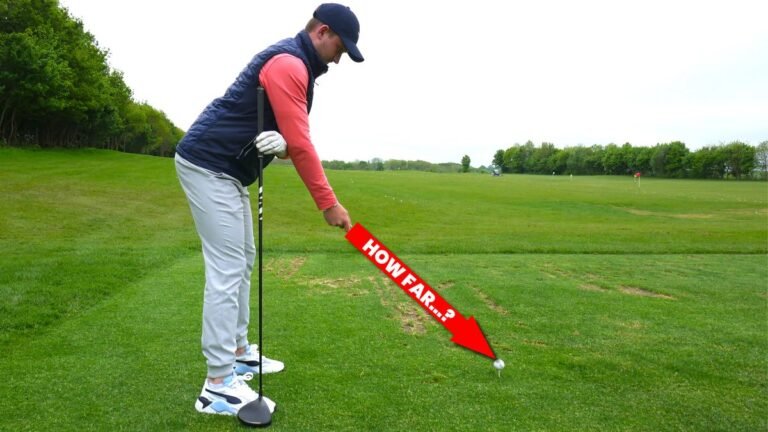
How To Add Golf Spikes To Shoes: Easy Step-by-Step Guide
Golf spikes can improve traction during the swing, especially on wet grass, steep slopes, and soft ground. They can also help a player feel more stable when pushing off in the downswing and holding balance through impact. But adding spikes is not as simple as drilling holes into any pair of shoes.
The safe method is to use golf shoes made for replaceable spikes, then fit the correct spike pattern with the proper tool. Regular athletic shoes, casual shoes, and most spikeless golf shoes do not have the threaded inserts needed for this job. Trying to add spikes to them can damage the sole, reduce comfort, and create a fall risk.

Quick answer: how to add golf spikes to shoes
The best way to add golf spikes is to confirm that the shoes have replaceable-spike receptacles, remove the old cleats with a compatible spike wrench, clean the threads, and install matching new spikes by hand. Tighten them firmly, but do not force them. Never drill a normal shoe sole to add spikes. The shoe must be designed for replaceable golf spikes from the start.

A replaceable spike is a small cleat that screws into a threaded mount in the sole. The mount is part of the shoe. The spike itself can be changed when it wears down.
This guide suits beginners, improving amateurs, junior golfers, and experienced players who need a safe spike change. It applies to both left- and right-handed golfers because the shoe setup does not depend on swing direction. It also applies to men’s, women’s, and junior golf shoes, although junior shoes need extra care because their soles and spike mounts may be smaller.
Why golf spikes matter on the course
Golf spikes help the foot stay connected to the ground during the golf swing. That connection supports balance, posture, and pressure shift from the backswing into the downswing. Spikes are most useful when the turf is wet, soft, uneven, or sloped.

A golf swing creates force from the ground up. The feet press into the turf. The legs and hips rotate. The torso follows, and the club reaches impact. If the feet slide, the body may lose its stable base before the club reaches the ball.
That does not mean more traction always creates a better swing. A golfer who grips the turf too hard may restrict natural movement in the hips, knees, or ankles. The goal is steady contact, not a locked-down stance.
Spikes, cleats, and spikeless soles
Golfers often use the words “spikes” and “cleats” to mean the same thing. A traditional golf spike has a raised shape that bites into the turf. A spikeless sole uses many small rubber or molded traction points instead.

Replaceable spikes sit in threaded inserts. Spikeless shoes use a fixed sole pattern. A spikeless shoe cannot usually be converted into a replaceable-spike shoe because it lacks the internal mount.
| Shoe type | Can you add replaceable spikes? | Main point |
|---|---|---|
| Golf shoe with threaded mounts | Yes | Use the correct spike pattern and wrench |
| Spikeless golf shoe | Usually no | The sole is built as one fixed traction system |
| Running or casual shoe | No | The sole is not made for golf spike loads |
The main takeaway is simple: inspect the sole before doing any work. If there are no threaded mounts, stop. The shoe is not designed for this change.
Who benefits most from golf spikes?
Spikes may suit golfers who walk hilly courses, play in damp climates, or swing with a strong ground-force pattern. They can also help players who have noticed foot movement during the swing.
Beginners may value the added sense of stability, but they should not see spikes as a cure for a slice, sway, or poor posture. Improving players may use them to support a repeatable stance while working on tempo, impact, and follow-through.
| Golfer or condition | How spikes may help | Limitation |
|---|---|---|
| Beginner on wet grass | Adds confidence underfoot | Does not replace balance practice |
| Senior golfer on slopes | May support steadier footing | Stiff shoes or high traction may feel less comfortable |
| Junior golfer | Can support safe footing | Use only properly sized junior footwear |
| Strong, fast swing | Helps resist unwanted foot slip | Too much grip may limit natural rotation |
| Dry, firm course | May offer little extra benefit | Spikeless traction may already be enough |
Golfers with ankle, knee, hip, or back problems should focus on comfort and safe movement first. If a change in footwear causes pain, stop using it and ask a qualified medical professional for advice.
Check the shoe before adding spikes
The most important step is identifying whether the shoe is designed for replaceable spikes. The sole should show several small mounts, often near the heel and forefoot. These mounts may have a threaded opening or a visible fitting system.
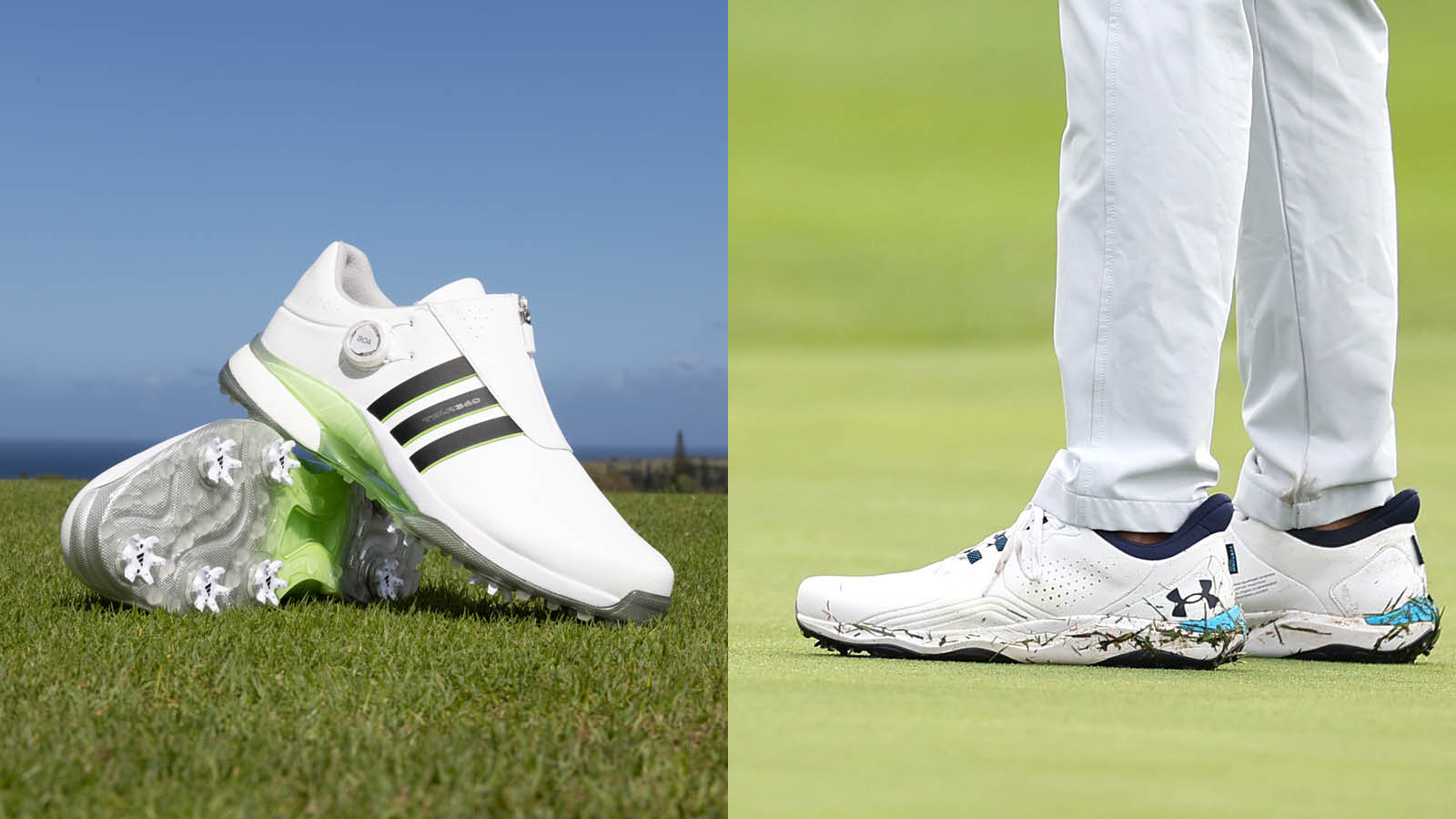
Look for the shoe’s care label, printed instructions, or maker’s technical information if it is available. The exact spike fitting matters. A spike with the wrong thread or shape may not sit flat, even if it seems close.
Do not rely only on the appearance of the old spike. Two cleats can look similar but use different fitting systems. A proper match should screw in smoothly and sit flush against the sole.
Signs that a shoe accepts replaceable spikes
A compatible shoe usually has these signs:
- Removable cleats already fitted to the sole
- Small threaded mounts in the heel and forefoot
- A spike base that can be turned with a spike wrench
- A sole designed for golf rather than general exercise
- No damage around the spike receptacles

If the sole has only molded rubber nubs, it is likely spikeless. Those nubs are part of the sole and are not meant to be removed.
A shoe with a smooth flat sole is also not a safe candidate. Drilling holes may weaken the sole and allow water to enter. It can also expose sharp edges or create uneven pressure under the foot.
Inspect the condition of the shoe
Before changing spikes, check the upper, sole, stitching, and mount area. A worn shoe may not hold a new spike securely. Look for cracks, loose sections, torn material, or a mount that moves inside the sole.

The spike is only one part of the support system. If the sole has separated from the upper, replacing the cleat will not restore the shoe’s structure. A damaged mount can also cause an uneven stance, which may affect posture and balance.
| Inspection point | What to look for | Action |
|---|---|---|
| Threaded mount | Clean, firm, and level | Proceed if undamaged |
| Sole | No cracks or separation | Avoid use if badly worn |
| Spike base | No bent or broken parts | Replace the spike if damaged |
| Upper | Secure stitching and support | Stop if the shoe cannot hold the foot |
| Inside of shoe | No exposed hard parts | Do not use if comfort is affected |
The takeaway is that a spike change is maintenance, not a repair for a failing shoe. If the shoe structure is weak, adding new spikes may not make it safe.
Tools and preparation for the job
A basic spike change needs a clean work area, a spike wrench that matches the fitting, and the correct replacement cleats. You may also need a soft brush, a dry cloth, and a small amount of water to remove turf.

Work on a stable surface with good light. A garage floor, workbench, or clean outdoor area can work well. Keep the shoes still while you turn the wrench. Avoid working on a slippery floor.
Do not use a large adjustable wrench unless the spike fitting clearly allows it. Excess force can strip the mount or twist the sole. The best tool is the one designed for the fitting already in the shoe.
Match the spike pattern
Golf spikes come in different fitting patterns and shapes. The new spike must match the mount and sit correctly on the sole. The position of the front and rear spikes may also matter for balance.

A spike should not rock from side to side after installation. It should sit evenly against its base. If it stops turning after one or two threads, do not force it. Remove it and check the fitting.
Children and junior golfers need special care here. A spike that is too large, too tall, or too aggressive for a junior shoe may change the child’s natural stride. Parents should inspect the fit before a junior walks onto the course.
Clean before you turn
Grass, mud, sand, and small stones often pack around the spike. Remove this debris before using the wrench. A soft brush can clear the area without damaging the sole.

If mud is stuck in the threads, use a little clean water and let the area dry before installation. Do not soak the whole shoe unless the care instructions allow it. Wet material can stretch, and moisture trapped inside the mount can contribute to corrosion or odor.
⚠️ Safety Warning: Keep fingers away from the wrench path and work with the shoe off your foot. Never try to tighten a spike while standing in the shoe. A slip can injure the hand or twist the ankle.
Step-by-step: adding golf spikes to replaceable-spike shoes
The process is simple when the shoes and spikes match. Take your time, keep the wrench straight, and check every spike before walking on the course.

1. Remove loose soil and grass
Brush the sole clean. Pay close attention to the area around each spike. Dirt can hide damage and prevent the wrench from sitting fully on the fitting.

A clean sole also makes it easier to compare the old and new spike positions. If one mount looks lower or more worn than the others, inspect it closely before continuing.
2. Place the shoe on a stable surface
Set the shoe sole-up on a firm surface. Hold the heel or upper, not the spike itself. Make sure the shoe cannot slide while you turn the wrench.

For a pair of shoes, work on one shoe at a time. This helps you keep track of the spike layout. It also gives you a working example if the old spikes have different positions.
3. Fit the spike wrench
Insert the wrench fully into the spike fitting. Keep it level with the sole. A crooked wrench may slip and damage the fitting.
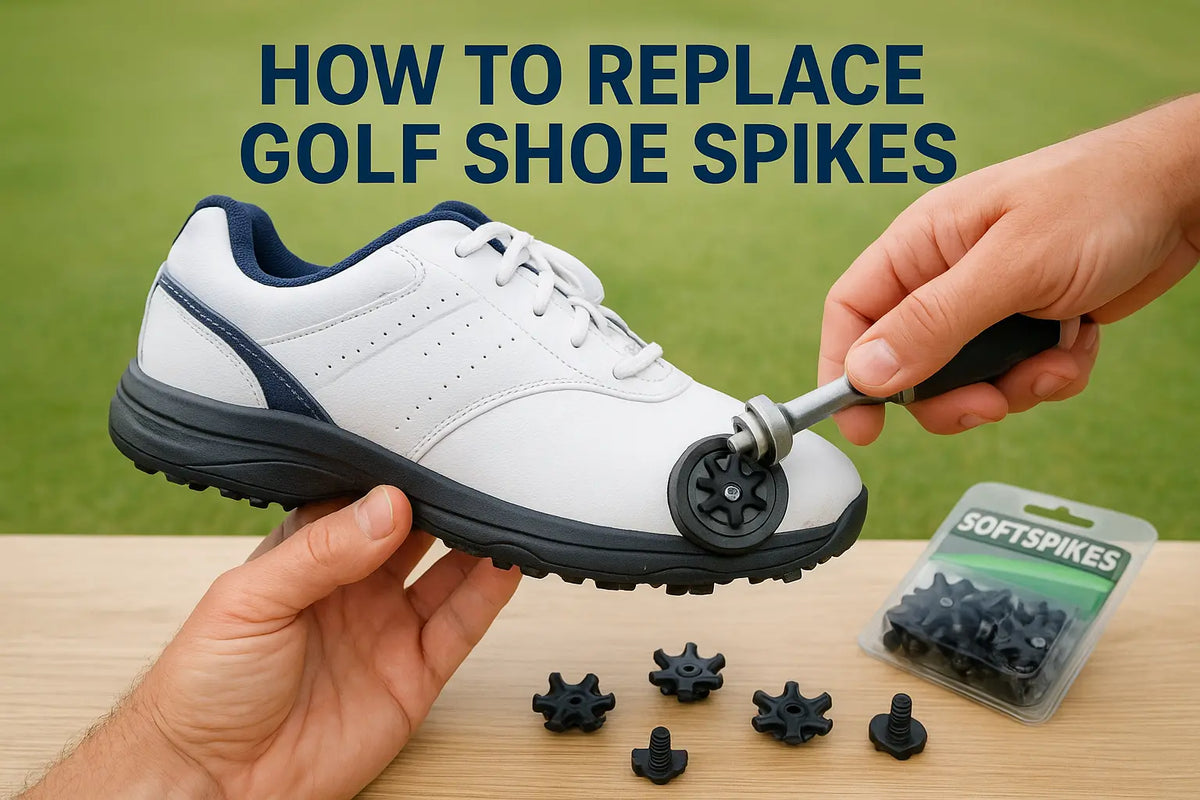
Most removable spikes loosen by turning counterclockwise, but the fitting instructions should guide you. If the spike does not move with moderate hand pressure, stop and clean the area again. Do not use a pipe, hammer, or extension for extra force.
4. Remove the old spike
Turn the wrench slowly until the spike loosens. Lift it out and place it aside. Inspect the mount as soon as it is exposed.

Check for packed dirt, damaged threads, cracks, or movement in the mount. If the mount turns with the spike or feels loose in the sole, the shoe may need professional inspection.
5. Clean the mount
Use a soft brush or cloth to clear the exposed fitting. Remove grass and grit from the thread. Let any damp area dry before adding the new spike.
Do not scrape aggressively with a sharp metal object. A sharp tool can damage the thread or cut the sole. If debris will not come out, the fitting may need attention from a qualified shoe repair specialist.
6. Start the new spike by hand
Place the new spike straight into the mount. Turn it by hand for the first few rotations. It should start smoothly without a sudden stop.
Starting by hand helps prevent cross-threading. Cross-threading happens when the spike enters at an angle and damages the thread. If the spike feels tight right away, remove it and start again.
7. Tighten with the wrench
Once the spike turns easily by hand, use the wrench to tighten it. Apply firm, controlled pressure. The spike should sit flat and secure, but it does not need extreme force.
The right tightness depends on the fitting. Follow the shoe or spike instructions when they give a specific method. If no instructions are available, use firm hand pressure and stop when the spike base is seated evenly.
8. Check the spike from several angles
Look across the sole. The spike should not lean, wobble, or sit higher on one side. Run a finger near the base without touching a sharp edge.
Compare the left and right shoes. Matching height and placement can support a more even stance. This matters for beginners who are still learning ball position and posture, and for advanced golfers who care about repeatable pressure at impact.
9. Repeat the process
Change the remaining spikes one at a time. Keep the work area clean so no small parts are lost. Inspect each mount before installing its new spike.
If one old spike is in good condition and another is badly worn, the pair may not feel balanced. A mixed set can create different contact with the turf. Use a consistent setup that matches the shoe instructions.
10. Test the shoes indoors
Put on both shoes and stand on a clean, hard floor for only a moment. Check for rocking, pressure points, and loose spikes. Then walk slowly on a safe surface.
Do not test new spikes by running or making a full golf swing indoors. The floor may be damaged, and the shoe may slip. A few careful steps are enough to find obvious problems.
11. Test on grass before play
Walk on a small grass area before a round. Try a gentle practice stance, a slow backswing, and a controlled finish. Do not begin with a fast driver swing.
This test is useful for all golfers, but it is especially helpful for seniors, juniors, and players returning after an ankle or knee issue. Stop if the shoe twists, pinches, or feels unstable.
12. Recheck after the first practice session
After a short practice session, inspect the spikes again. Look for looseness, uneven wear, or damage around the mounts.
A driving range can expose a problem before a full round. Use a short warm-up routine first. Start with putting, chipping, and half swings before moving to longer clubs.
💡 Pro Tip: A stable shoe should support your stance without forcing your feet to stay frozen. If your knees, hips, or ankles cannot move naturally, the traction may be too aggressive for your swing or the turf.
Common problems and safe fixes
Most spike problems come from a mismatch, dirt in the mount, or too much force during installation. Fixing the cause is safer than trying to tighten the spike again and again.
The table below covers common signs and sensible next steps. It applies to both new golfers and experienced players who maintain their own golf shoes.
| Problem | Likely cause | Safe response |
|---|---|---|
| Spike will not start | Wrong fitting or dirt | Remove it and check the mount |
| Spike starts, then jams | Cross-threading | Back it out and realign it |
| Spike wobbles | Loose mount or wrong base | Stop using the shoe until checked |
| Wrench slips | Poor fit or debris | Clean the fitting and use the correct tool |
| Sole cracks near mount | Old or damaged shoe | Do not continue installation |
| One shoe feels higher | Uneven spike seating | Remove and reinstall correctly |
| Spike loosens during walking | Not fully seated or damaged thread | Stop and inspect the mount |
The main lesson is to avoid force. A spike that needs heavy pressure may be the wrong spike or may be entering at an angle.
What if a spike is stuck?
A stuck spike often has compacted dirt, rust, or damage in the fitting. Clean around it first. Apply only controlled hand pressure with the correct wrench.
If the spike still will not move, stop rather than twisting the sole. A shoe repair professional may be able to remove it without damaging the mount. Do not heat the sole, drill the spike, or use a power tool.
What if the thread is stripped?
A stripped thread cannot securely hold a spike. The spike may turn without tightening or may sit at an angle. This is not a problem to solve with glue.
Adhesive can make later removal difficult and may not withstand the repeated force of walking and swinging. Replace or repair the mount through a qualified service. If the shoe is old and several mounts are failing, the safest choice may be to stop using it for golf.
Why do spikes keep falling out?
A spike may loosen because it was not seated, the mount is worn, or the fitting does not match. Repeated walking on hard paths can also place extra stress on the spike.
Inspect the spike after each round if the issue repeats. Check cart paths, clubhouse floors, and parking areas too. Hard surfaces can wear traction parts faster than grass.
🌿 Course Care Note: Avoid unnecessary walking on concrete, bridges, and paved cart paths in golf shoes. It can wear the spikes and may mark some floors. Follow the club’s golf etiquette and flooring rules.
Golf spikes, swing mechanics, and comfort
Footwear supports the swing, but it does not replace sound mechanics. A good stance starts with feet about shoulder-width apart for a mid-iron, balanced posture, soft knees, and pressure spread across the feet.
Ball position changes with the club. A short iron often sits near the center of the stance. A driver usually sits farther forward, near the inside of the lead heel. Spikes can help keep the feet steady as the stance changes, but they should not cause the golfer to widen the stance too far.
A golfer with a fast tempo may notice foot movement sooner than a golfer with a smooth tempo. However, traction needs vary by strength, flexibility, body weight, swing speed, and course conditions.
Walking versus riding
Walkers place many more steps on the sole during a round. They may benefit from a shoe that feels stable but remains flexible enough for a natural stride. Riders may care more about grip during the swing than long-distance walking comfort.
A hilly links course, wet parkland course, or soft fairway can create different demands. A flat executive course may need less aggressive traction. The best choice depends on the golfer and the ground, not on a label alone.
| Course or use | Footwear concern | Helpful check |
|---|---|---|
| Wet fairway | Feet may slip during rotation | Test grip on grass before play |
| Steep slope | Uneven pressure under each foot | Check for rocking or pressure points |
| Firm links course | Hard ground can feel harsh | Walk and make slow swings first |
| Long walking round | Repeated sole contact | Check comfort and hot spots |
| Cart-heavy round | More hard-surface walking | Inspect spikes after the round |
Seniors and golfers with limited ankle mobility may prefer a stable, comfortable shoe with moderate traction. A junior golfer may need a lighter shoe that allows natural movement. Neither group should use extra grip to hide a balance problem or painful joint.
Weather and turf effects
Wet grass can make a replaceable spike useful, but wet conditions also increase the risk of slipping during walking. Mud can build around the spike and reduce its clean contact with the turf.
In hot weather, use water, sun protection, and a sensible warm-up routine. Heat can affect balance and concentration. Leave the course at the first lightning warning and follow the facility’s storm policy.
On frozen ground, spikes may not dig in as expected. They can also damage delicate turf. Follow the course superintendent’s instructions and local restrictions.
Rules, etiquette, and course care
Golf shoes with conforming spikes are generally allowed, but the Rules of Golf and local conditions still govern play. A committee may set conditions about footwear, practice areas, or access to parts of the course.
The USGA and R&A govern the Rules of Golf. Check the latest rulebook and your local committee for updates. This matters in stroke play, match play, Stableford, and organized junior events.
Golf footwear should not be used to damage the putting green or improve a lie. Do not scrape the ground, twist your feet to test traction, or press spikes into the green. Wear suitable footwear in the clubhouse if the facility asks for it.
Do spikes affect the Rules of Golf?
The main issue is whether the shoes are conforming and whether a player uses them fairly. Normal walking and swinging in approved golf footwear are part of play. Deliberately damaging the course or using equipment in a way that breaks a rule can create a problem.
Rules can change, and local rules can add limits. A tournament committee may also have a dress or footwear policy. Verify the current Rules of Golf rather than relying on old advice.
📜 Check the Rules: Before a competition, confirm the latest USGA or R&A guidance and the event’s local rules. Ask the tournament committee if the footwear design is unusual or modified.
Keep the course in good condition
Good shoe care supports good golf etiquette. It also protects the course for the next group.
- Repair ball marks on the green.
- Replace or fill divots when the course asks you to.
- Rake bunkers after a shot.
- Keep carts away from restricted areas.
- Maintain pace of play.
- Dispose of broken spikes, tees, and litter properly.
- Avoid dragging your feet across the putting surface.
Spikes should give traction without leaving unnecessary damage. Course superintendents manage turf by considering grass type, moisture, traffic, and season. Respect signs and ropes, even if a different route seems shorter.
Practice after changing your spikes
A new feel under the feet can change balance and confidence. Use a short practice plan before playing a serious round or competition.
The goal is not to swing harder. The goal is to notice whether the shoes support normal movement. Start with putting and short shots, then progress to longer clubs.
| Skill level | Practice task | What to notice |
|---|---|---|
| Beginner | Putts and short chips | Stable stance without stiff legs |
| New golfer | Half swings with a wedge | Balanced finish and smooth tempo |
| Improving amateur | Mid-iron swings | Pressure shift without foot slip |
| Advanced player | Driver and uneven lies | Grip during fast rotation |
| Junior golfer | Short, controlled swings | Natural stride and no pressure points |
Use this plan at a driving range or practice area:
- Walk for a few minutes and complete a gentle warm-up.
- Hit five to ten putts while checking stance comfort.
- Hit short chips with a wedge.
- Make half swings with a short iron.
- Hit a few full shots at moderate speed.
- Test a sloped lie only if the flat ground feels safe.
- Inspect the spikes after practice.
A golfer with a high handicap should focus on contact and balance. A low-handicap player may focus on pressure under the lead foot, ground interaction, and a stable finish. A parent watching a junior should look for natural movement rather than a forced, planted stance.
A simple balance drill
Stand in your normal golf posture without a club. Make a slow backswing, then rotate to a balanced finish. Hold the finish for three seconds.
Repeat five times. This drill helps you feel whether the feet stay connected without gripping the turf. It suits beginners and seniors because it uses low speed. It may not suit anyone with pain, dizziness, or a balance disorder.
A half-swing traction check
Use a short iron and make waist-high swings. Keep the tempo smooth. Notice whether either foot slides, twists, or feels trapped.
If the shoes feel stable, make a few three-quarter swings. Do not jump straight to maximum speed. Players with high swing speed or a forceful downswing should increase speed in small steps.
Beginner, senior, junior, and advanced tips
The best spike setup depends on the golfer, not just the shoe. Age, strength, handicap, walking habits, and course conditions all matter.
Beginners often focus on the club and ball. Yet the feet affect grip, stance, posture, and balance. A secure base can help a new player learn these skills, but it cannot correct a poor grip or a faulty swing path.
Tips for beginners
Use a simple check:
- Can you stand comfortably?
- Do both feet feel level?
- Can you rotate without slipping?
- Can you finish in balance?
- Do the spikes stay secure after walking?
If the answer is no, do not try to solve the issue by tightening harder. Recheck the fitting, the shoe condition, and the ground.
A beginner playing a short executive course may not need the same traction as a player walking a wet, hilly course. A high handicap does not automatically mean a golfer needs spikes.
Tips for seniors
Seniors may value stable footing, but comfort and joint motion come first. A shoe that holds the ground too strongly may place stress on the knees, hips, ankles, or lower back.
Warm up before play. Start with walking, ankle circles, gentle hip movement, and a few practice swings. Avoid sudden fast swings after sitting in a cart for a long time.
If you feel pain rather than normal muscle effort, stop. Repeated back, elbow, wrist, knee, or ankle pain should be assessed by a doctor or qualified health professional.
Tips for women golfers
Women golfers use the same basic spike process as men. The key differences come from shoe fit, foot shape, strength, flexibility, and swing pattern, not from a separate spike method.
A golfer with a narrow heel may notice movement inside the shoe even when the spike is secure. A golfer with a wider forefoot may feel pressure from an uneven sole. Check comfort during walking, chipping, pitching, bunker shots, and putting.
Tips for junior golfers and parents
Junior golfers need footwear that matches their foot size and activity. Do not place a child in an oversized shoe so it can be used longer. Extra space can reduce control and increase the chance of tripping.
Parents should inspect spike mounts before every junior event. Teach children not to run on hard floors in golf spikes. Also teach safe range habits: wait behind the hitting line, check the swing area, and never walk in front of another golfer.
Tips for advanced players
Advanced players may notice small changes in pressure and ground contact. Check whether the spikes support the lead-foot brace through impact without blocking the release.
A spike setup may feel different on a driver swing than on a pitch or bunker shot. Test several types of movement before tournament play. If the new traction changes your balance, give yourself time to adapt during practice.
When to seek expert help
A simple spike change does not require a golf lesson. However, a lesson may help if footwear is exposing a swing issue rather than causing it.
A PGA professional can assess stance width, posture, weight shift, tempo, and balance. This is useful if you keep sliding away from the target, lose balance at the finish, or feel trapped during the downswing.
Ask for professional help when:
- The shoe mount is loose or damaged.
- You cannot identify the fitting.
- A spike will not remove without heavy force.
- Your feet slip despite a sound shoe.
- You feel pain during walking or swinging.
- A new shoe changes your swing in a major way.
- A junior golfer shows fear or discomfort on uneven ground.
A lesson may not suit someone who has acute pain or an untreated injury. See a doctor or physical therapist first when pain is persistent, sharp, or linked to swelling.
FAQs
Q: Can I add golf spikes to regular shoes?
A: No. Regular shoes usually lack threaded spike mounts and the sole strength needed for golf cleats. Drilling into the sole can create an unsafe shoe. Use only footwear designed for replaceable golf spikes.
Q: Can I put replaceable spikes in spikeless golf shoes?
A: Usually not. Spikeless golf shoes use a molded traction pattern rather than threaded inserts. The two systems are built differently.
Q: How do I know which golf spikes fit my shoes?
A: Check the existing fitting, the shoe instructions, and the spike specifications. The spike should start by hand, turn smoothly, and sit flat. If it does not, stop instead of forcing it.
Q: How tight should golf spikes be?
A: Tighten them firmly with the correct wrench until the base sits evenly. Do not use excessive force. Over-tightening can damage the thread or the sole.
Q: Why does one golf spike keep coming loose?
A: The spike may be wrong for the mount, poorly seated, damaged, or affected by a worn thread. Inspect the mount and stop using the shoe if the problem repeats.
Q: Can I use golf spikes on a putting green?
A: You may walk normally in approved golf shoes, but do not scrape, twist, or intentionally damage the green. Follow course rules and local conditions.
Q: Are golf spikes better for beginners?
A: Not always. Spikes can help a beginner feel stable on wet or sloped turf, but they do not fix a slice, poor grip, weak posture, or balance fault. The course and the golfer’s comfort matter most.
Q: Are golf spikes suitable for seniors?
A: They can be, if the shoe is comfortable and allows natural joint movement. Seniors should test the shoes on grass and stop if they feel knee, hip, ankle, or back pain.
Q: Can junior golfers use replaceable golf spikes?
A: Yes, if the junior shoes are designed for them and the spikes are correctly fitted. Parents should check the mounts, shoe size, walking comfort, and range safety.
Q: Do left-handed golfers need different spikes?
A: No. Spike fittings are not based on swing direction. Both left- and right-handed golfers use the same installation process.
Q: How long does it take to add golf spikes?
A: A clean, compatible shoe may take only a few minutes per spike. A stuck fitting, packed dirt, or damaged mount can take much longer. Never rush the process.
Q: Can golf spikes improve my handicap index?
A: Spikes cannot directly change a handicap index. They may help you feel stable, but scores still depend on skill, course management, practice, and playing conditions.
Q: Can I wear golf spikes while driving a cart?
A: Follow the club’s cart rules and drive slowly. Spikes can reduce feel on pedals or hard surfaces. Keep both hands on the wheel and avoid sudden turns.
Q: Should I remove golf spikes before entering the clubhouse?
A: Check the facility’s policy. Some clubs allow golf shoes inside, while others restrict spikes on certain floors. Good golf etiquette means following posted rules.
Q: How often should I inspect golf spikes?
A: Inspect them before each round and after walking on hard surfaces. Check for loose spikes, worn traction, damaged mounts, and uneven seating.
Conclusion
Adding golf spikes is safe when the shoes are built for replaceable cleats and the fitting matches the mount. Clean the sole, remove each old spike with the proper wrench, start the new spike by hand, tighten it with care, and test the shoes before play.
Do not drill ordinary shoes or force a spike that does not fit. Good traction should support balance, posture, and a natural golf swing without causing pain or restricting movement. Check the latest Rules of Golf, follow local course policies, protect the turf, and seek help from a PGA professional or qualified medical expert when the problem goes beyond simple shoe maintenance.