How Long Do Spikeless Golf Shoes Last: Lifespan Guide
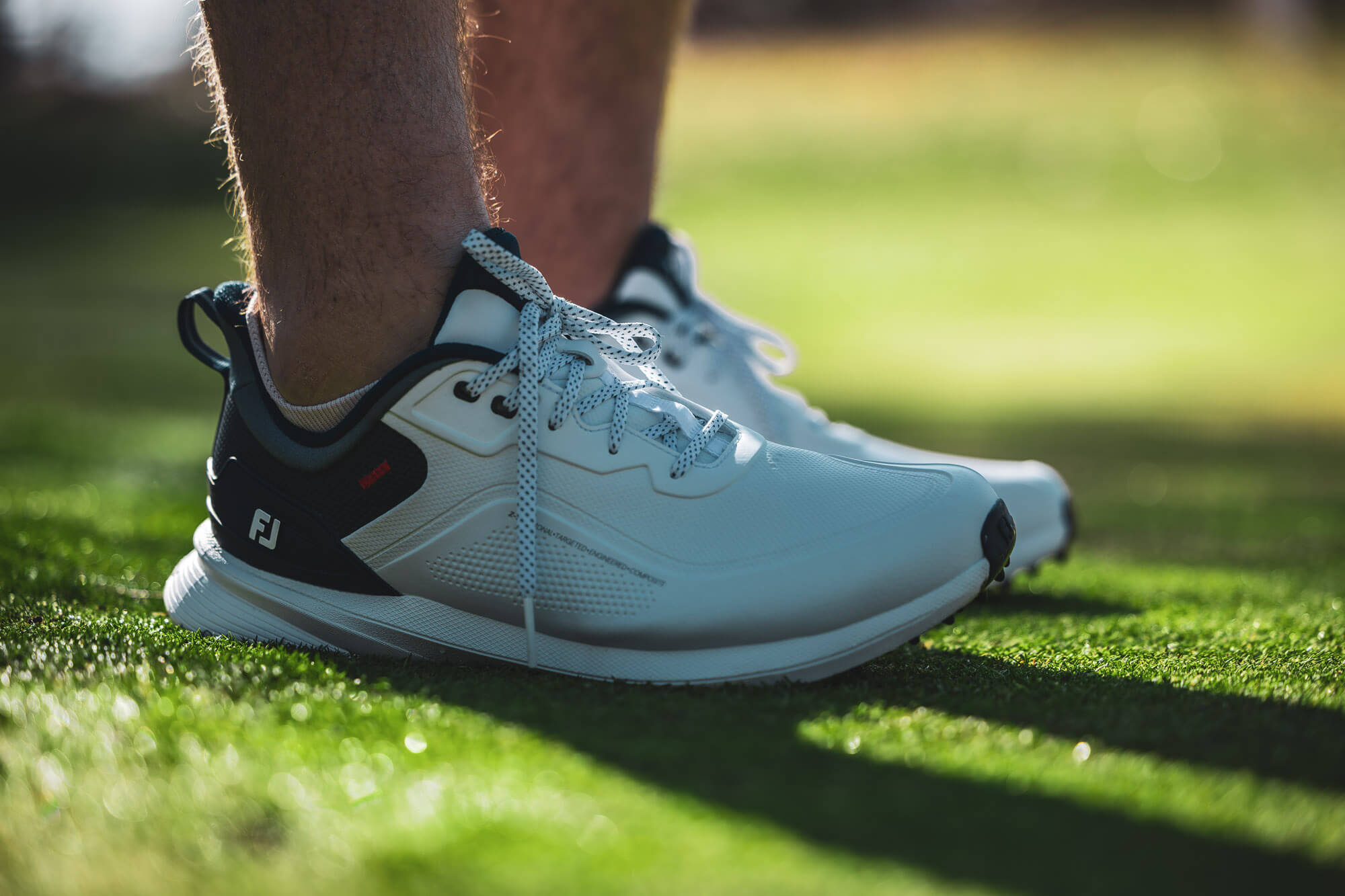
Spikeless golf shoes usually last about 1 to 3 years for a regular golfer. A golfer who plays once a month may use the same pair for several years. A golfer who walks 100 rounds each year may need a new pair much sooner. The true lifespan depends on the outsole, upper material, walking habits, weather, course type, fit, and care.
“Spikeless” does not mean “wear-free.” These shoes use small rubber lugs, dimples, or traction bars instead of replaceable spikes. The traction slowly rounds off as you walk. The midsole also loses cushioning, while the upper can crack, stretch, or separate from the sole.
For beginners, shoe life is less about handicap and more about use. A new golfer who spends time on a driving range, an executive course, and a full 18-hole course may wear shoes faster than someone who only rides. Seniors, juniors, and golfers with foot or joint concerns should pay close attention to cushioning and stability, even when the outer shoe still looks clean.

Quick answer: How long do spikeless golf shoes last?
Spikeless golf shoes often last 30 to 60 full rounds when used for golf and cared for well. Light-use shoes can last longer, while shoes used for frequent walking, wet rounds, practice sessions, and daily wear may last less than a year. Replace them when traction, comfort, waterproofing, or support no longer feels reliable.
A round means a full 18 holes. Nine-hole rounds, range sessions, and walking from the parking area also add wear. A golfer who plays 20 rounds each year may get two to three seasons. A golfer who plays 80 rounds each year may get one season or less.
There is no fixed expiration date. Two pairs with the same design can age at different speeds. A firm, dry course may be easy on the outsole, while a hilly, wet course can wear it much faster.
| Golfer use pattern | Typical service life |
|---|---|
| Occasional play, mostly riding | 2–4 years |
| Regular play, mixed riding and walking | 1–3 years |
| Frequent walking and practice | 6–18 months |
These figures are practical ranges, not promises. Inspect the shoes before each season and after wet or very long rounds.
Why spikeless golf shoe lifespan matters
The main reason to track shoe life is safety. Worn traction can make the feet slide during the downswing. That slide may change balance, impact position, and follow-through. It can also place extra stress on the knees, hips, back, ankles, and feet.
Good golf shoes help the foot stay stable while the body turns. During a full swing, the feet help transfer force from the ground through the legs and hips. A loose or unstable base can make it harder to keep posture and control tempo.
This matters to every golfer, but the need differs by player:
- Beginners need steady footing while learning grip, stance, posture, and balance.
- Improving amateurs need traction that supports a repeatable backswing and downswing.
- Seniors may value cushioning, shock control, and easy walking more than maximum grip.
- Juniors need a secure fit and flexible movement without oversized shoes.
- Women’s golfers may need a shape that matches foot width and arch support needs. These needs vary by person, not by gender alone.
- Left-handed and right-handed golfers place different loads on each foot, but both can wear the outsole unevenly.
How the golf swing wears a shoe
The golf swing creates repeated pressure in the same areas. A right-handed golfer often loads the inside of the trail foot and the outside or front area of the lead foot. A left-handed golfer may show the reverse pattern.
Walking adds a different type of wear. The heel and forefoot touch the ground thousands of times during a round. Hills, cart paths, and uneven rough can wear the heel edge and sidewall.
| Swing and walking factor | Common wear area | What to check |
|---|---|---|
| Hard push from the trail foot | Inner outsole | Flattened traction bars |
| Strong lead-side rotation | Outer forefoot | Rounded lugs or smooth patches |
| Long walks on hills | Heel and midsole | Uneven wear and loss of cushioning |
Uneven wear can also reveal a foot or swing issue. It does not prove that the swing is wrong, but it can show where force is concentrated.
Why comfort affects the round
Foot pain changes how a golfer walks and swings. A player may shorten the backswing, avoid a full finish, or lose focus during putting. A sore heel can affect chipping, bunker shots, green reading, and course management because the golfer is thinking about pain instead of the next shot.
Comfort is not a luxury. It is part of maintaining a steady routine. Still, a soft shoe is not always a stable shoe. The best balance depends on the player, course, and amount of walking.
💡 Pro Tip: After a round, note where your feet feel tired. Mild general fatigue is common. Sharp pain, numbness, or pain that lasts into the next day deserves attention from a qualified health professional.
What determines how long spikeless golf shoes last?
The most important factors are use, ground conditions, construction, fit, and care. No single factor controls lifespan. A well-made shoe can fail early if it stays wet in a closed bag, while a basic shoe can last longer with light use and careful drying.
Frequency and type of use
Playing golf is only part of the wear. Many golfers use their shoes at the driving range, during short-game practice, or while walking around the course before and after a round. Each extra hour adds steps and flexing.
Walking usually creates more outsole wear than riding. A golfer in a cart still walks between the cart, tee box, fairway, rough, bunker, and green. A full walking round may add several miles, depending on course layout and shot direction.
A golfer who practices putting for an hour on a flat surface may place less stress on the shoe than a golfer who walks a steep links course. Both count as use, but the wear pattern differs.
Course surface and terrain
Course type matters. A flat, soft parkland course may be easier on shoes than a dry, firm course with hard paths. A links course can expose the outsole to firm turf, sand, wind, and uneven ground. A hilly mountain course may wear the heel and sidewall quickly.
The driving range can also be rough on shoes. Concrete paths, rubber mats, and parking lots are harder than grass. Use care when walking on these surfaces.
| Course condition | Effect on spikeless shoes | Main concern |
|---|---|---|
| Soft, damp grass | More moisture and dirt | Odor and upper damage |
| Firm, dry turf | More outsole abrasion | Rounded traction |
| Cart paths and concrete | Fast sole wear | Cracks and flat spots |
Avoid treating golf shoes like casual walking shoes on hard ground. A short walk is fine, but long daily use on pavement can shorten their golf life.
Weather and climate
Heat can speed material aging. Cold weather can make some rubber compounds feel less flexible. Water can weaken glue, stain fabric, and create odor when shoes do not dry fully.
Humid climates are hard on shoes because moisture remains inside and outside the upper. Desert climates create dust and heat stress. Snow, frost, and salted paths can also affect materials.
Rain itself does not ruin a golf shoe. Poor drying causes much of the trouble. Remove the insole if possible, loosen the laces, and let the shoes dry at room temperature.
⚠️ Safety Warning: Do not place wet golf shoes on a heater, radiator, or very hot surface. Excess heat can shrink materials, damage adhesives, and change the shape of the shoe.
Fit, foot movement, and swing style
A shoe that fits poorly may wear faster. If the heel lifts, the foot slides inside, and the upper flexes in unusual places. If the shoe is too tight, the material stretches and creases under pressure.
Swing speed also plays a role, but it is not the only factor. A fast-swinging player may create high force, while a slower player may take many more steps. A junior golfer may outgrow a shoe before wearing it out.
A neutral, balanced swing does not guarantee even shoe wear. Foot shape, posture, stance width, mobility, and course walking style all affect pressure.
Signs your spikeless golf shoes need replacement
The clearest signs are poor traction, visible outsole wear, pain, water entering the shoe, and loss of support. Appearance alone is not enough. A clean shoe may be worn out, while a scratched shoe may still function well.
Outsole warning signs
Look at the bottom of each shoe in good light. Compare the lead and trail shoes. Check both the heel and forefoot.
Replace or retire the shoes for golf when you see:
- Smooth areas where traction lugs once had clear edges.
- Deep cracks in the rubber or outsole.
- A sole that separates from the upper.
- A heel that tilts inward or outward.
- Uneven wear that makes the foot feel unstable.
- A section that bends much more than the matching area on the other shoe.
| Visible sign | Likely problem | Why it matters |
|---|---|---|
| Rounded traction lugs | Reduced grip | Feet may move during the swing |
| Heel worn on one side | Uneven support | Can affect balance and comfort |
| Sole separation | Structural failure | Water and movement can enter |
A small cosmetic mark is not the same as a structural fault. Focus on traction, stability, and the bond between the upper and sole.
Comfort and support warning signs
Pay attention during the full round, not only during the first tee shot. If your feet feel tired after six holes but were fine before, the cushioning may be fading.
Other signs include heel pain, burning in the forefoot, new blisters, numb toes, and arch soreness. These symptoms can have many causes, including fit, socks, foot shape, or a health issue. Do not assume the shoe is always the cause.
A shoe that causes pain is not suitable for that golfer, even if the outsole looks new. Juniors and seniors may notice this first because feet, joints, and recovery needs can change over time.
Waterproofing warning signs
Waterproofing can fade before the shoe is fully worn out. Damp socks on a rainy day are a clear warning. So is moisture entering through the toe, tongue, seam, or sole bond.
Breathable fabric may allow some moisture in heavy rain. That is different from a leak caused by a split seam or damaged membrane. After a wet round, inspect the inside and outside.
🌿 Course Care Note: Mud and grass can hide outsole damage. Brush off dirt after play, but do not scrape aggressively against greens or tee surfaces. Clean shoes away from sensitive turf.
How to extend the life of spikeless golf shoes
The best way to make spikeless golf shoes last longer is to keep them dry, clean, supported, and used for the right task. Care cannot stop normal wear, but it can slow avoidable damage.
Clean them after each round
Remove loose dirt with a soft brush. Use a damp cloth for mud on the upper. Follow the care instructions for the material. Do not soak a shoe unless its instructions allow it.
Let the shoes dry fully before storing them. Open the tongue and loosen the laces. Remove the insole when possible so air can reach the inside.
Avoid harsh chemicals. Strong cleaners can strip color, weaken fabric, or affect rubber. Never put golf shoes in a washing machine unless the maker specifically permits it.
Dry them the right way
Drying should be slow and even. Room temperature is usually best. Stuffing the toe with plain paper can help absorb moisture and keep the shape. Replace wet paper as needed.
Do not seal damp shoes inside a trunk, locker, or golf bag. This creates a dark, humid space where odor and material breakdown can grow.
| Care habit | How often | Benefit |
|---|---|---|
| Brush off grass and mud | After each round | Limits dirt buildup |
| Air out the inside | After wet or hot play | Reduces odor and moisture |
| Inspect the outsole | Every few rounds | Finds wear early |
These habits suit every golfer. They are especially useful for families who share storage space, juniors who play in changing weather, and walkers who use shoes often.
Rotate between pairs when possible
Using two pairs can reduce back-to-back moisture and allow each pair to dry. This is not required, but it can help frequent golfers. A golfer who plays once a month may gain little from rotation.
Keep each pair for its intended use. Do not use golf shoes for long daily walks on pavement if you want to preserve their golf traction.
Store them with shape and airflow
Store shoes in a cool, dry place. Keep them away from direct sun and high heat. Do not crush them under heavy gear.
A bent upper can create pressure points. A crushed heel counter can reduce support and make the foot move inside the shoe. Good storage protects the shape between rounds.
Spikeless golf shoes versus spiked shoes
The main difference between spikeless and spiked golf shoes is how they create traction. Spikeless shoes use built-in rubber patterns. Spiked shoes use cleats or spikes that may be replaceable, depending on the design.
Spikeless shoes often feel more natural when walking off the course. Spiked shoes may provide stronger grip in wet, steep, or soft conditions. Neither type lasts forever, and both need inspection.
| Feature | Spikeless shoes | Spiked shoes |
|---|---|---|
| Traction system | Fixed rubber lugs | Replaceable or fixed cleats |
| Walking comfort | Often flexible and casual | May feel more structured |
| Wear response | Whole outsole may lose grip | Spikes may wear first |
| Best condition | Mixed use and firm turf | Wet, soft, or steep turf |
A spiked shoe does not automatically last longer. Replaceable spikes may extend traction life, but the upper, midsole, and outsole can still age. A spikeless shoe may remain comfortable after its strongest grip has faded, so inspect it rather than guessing.
Who may prefer spikeless shoes?
Spikeless shoes often suit:
- Beginners who want a simple walking feel.
- Golfers who move between the course and practice area.
- Players on firm, dry courses.
- Seniors who value easy walking and lower shoe weight.
- Juniors who need flexible movement for learning.
- Golfers who ride but still walk many parts of the course.
They may not suit a golfer who plays mainly on steep, wet terrain and needs maximum grip. They may also be a poor fit for someone whose feet slide during the downswing.
Who may prefer more aggressive traction?
Golfers who walk hilly courses, play in wet climates, or make a powerful, fast-tempo swing may need more traction. A strong grip can help the feet remain stable, but it does not fix poor posture, balance, or a rushed transition.
Try to solve the real issue. If the foot slides because the sole is worn, replace the shoe. If the foot slides because body weight moves too far outside the stance, a lesson may help more than a different outsole.
How to test spikeless golf shoe condition
A short inspection can show whether shoes are ready for another round. Perform it before the first tee, not halfway through a wet event.
The four-part home check
- Look at the outsole. Check for smooth patches, cracks, and separation.
- Twist the shoe gently. It should flex, but not collapse or fold in an unusual place.
- Press the midsole. Compare the feel with the other shoe. Excessive softness can show fatigue.
- Walk and swing slowly. Notice heel movement, foot sliding, pain, and loss of balance.
Do not perform full-speed swings indoors or near people. A slow rehearsal is enough to detect major movement.
A simple field check
On a safe patch of grass, take a few practice swings at half speed. Start with short chip shots, then make a controlled iron swing. If your feet shift when the shoe should grip, stop and inspect the sole.
This test suits beginners because it is simple. It also suits advanced players who want to check shoes before a tournament. It does not replace a professional assessment or a medical exam.
| Test | Good result | Warning result |
|---|---|---|
| Walking | Heel stays secure | Heel lifts or foot slides |
| Slow swing | Stable finish | Foot slips or rolls |
| Sole flex | Even and controlled | Collapse, cracking, or separation |
Do not test traction on a green. Protect putting surfaces and follow course etiquette.
Do worn shoes change the golf swing?
Worn shoes can change the golf swing because the feet are part of the swing foundation. A golfer may react to poor traction by widening the stance, reducing rotation, or keeping weight back. These changes can affect contact and direction.
A beginner may see thin shots, fat shots, pushes, pulls, or loss of balance. An improving golfer may notice a weaker follow-through or a rushed downswing. These signs do not prove that the shoes are at fault.
Common swing effects
A sliding trail foot can reduce pressure transfer. A sliding lead foot can make the finish feel unsafe. Both can change the low point, which is the lowest part of the club’s path near impact.
During chipping and pitching, poor traction can make a golfer stand too carefully. That may reduce rhythm. During bunker shots, unstable footing can make it harder to use a steady stance. During putting, shoe wear is less likely to affect the stroke, but foot comfort still affects focus and green reading.
🏌️ Beginner Note: If you are learning golf, do not blame every poor shot on your shoes. Start with grip, stance, ball position, posture, and tempo. Check the shoes when you also feel sliding, pain, or clear instability.
When a lesson is more useful
A PGA professional can help when a recurring fault remains after the shoe issue is solved. A lesson is suitable for a slice, hook, shank, poor contact, or balance problem that appears in many clubs.
See a doctor or qualified health professional for persistent back, knee, ankle, foot, wrist, or elbow pain. Do not practice through sharp pain.
Spikeless golf shoes for different golfers
Shoe lifespan and shoe needs change with the golfer. Age, fitness, handicap index, swing speed, course access, and walking habits all matter. A handicap index measures playing ability under a formal system; it does not predict shoe life.
Beginners and higher-handicap golfers
New golfers often spend time learning the basics. They may practice at a driving range, play an executive course, and walk uneven ground while searching for balls. This mixed use can wear shoes in ways that are hard to predict.
A beginner should check traction before trying to change the swing. Stable footing can help build confidence, but it cannot replace practice. Short sessions that cover putting, chipping, pitching, and full swings may be easier on the body than one long session.
The learning curve varies. Some golfers feel more comfortable after a few rounds. Others need months of practice to build balance and control. Shoe condition should be checked each time, regardless of skill level.
Improving amateurs and low-handicap golfers
Improving players may create more force through the ground. They may also play more often and practice with greater purpose. Their shoes can show uneven wear on the lead foot or trail foot.
These golfers should watch for changes in impact and balance. If a stable swing suddenly feels uncertain, inspect the outsole and fit before changing equipment habits or swing thoughts.
Course management also matters. Walking many holes while searching for balls, taking multiple practice swings, or playing in wet rough adds steps. Efficient play protects both the golfer and the shoe.
Seniors
Senior golfers may place greater value on cushioning, stability, and easy walking. Foot shape, joint comfort, and balance can change with age. A shoe that felt fine last season may not feel right now.
A senior golfer should not wait for severe pain. Check for heel movement, toe pressure, and fatigue after nine holes. Warm up with easy walking, ankle circles, and gentle rehearsal swings.
Golf fitness can help with mobility and balance, but exercises should match health needs. Seek medical guidance for ongoing pain or a history of falls.
Women’s golfers
Women golfers need the same core features as all golfers: secure fit, stable traction, comfort, and appropriate support. Foot width, arch shape, and heel shape vary widely among individuals.
Do not assume a shoe works because it is labeled for one group. Walk, bend, and make slow practice swings. Look for heel security without tight pressure across the toes.
Juniors and families
Junior golfers may outgrow shoes before the outsole wears out. Check toe room often, especially during a growth period. An oversized shoe can let the foot slide and make balance harder.
Parents should inspect the sole, laces, and upper before junior tournaments. A child who complains of foot, knee, or back pain should stop and be assessed.
👪 Parent Note: Junior shoes should fit securely today, not only leave room for future growth. Extra length can change stance, posture, and foot stability.
Weather, walking, and course effects
Golf shoe life changes with the season and the course. A dry summer can wear the outsole, while a wet spring can damage the upper and increase odor. Cold weather can make materials feel stiff and feet feel less mobile.
| Situation | Shoe risk | Helpful response |
|---|---|---|
| Heavy rain | Wet lining and weak seams | Dry fully before storage |
| Hot, dry course | Hard outsole wear | Clean dust and inspect lugs |
| Frost or cold | Stiff materials | Warm up and avoid forced flexing |
| Hilly walking | Heel and sidewall wear | Check balance and uneven wear |
Weather also affects traction. Wet grass can reduce grip even when the shoe is new. Soft ground may let the foot twist. A golfer should shorten the swing, keep balance centered, and avoid aggressive movement when footing is poor.
Walking versus riding
Walking usually creates more total steps, but riding does not remove shoe wear. Cart users still cross paths, rough, tee boxes, and greenside areas. Cart use can add sudden turns and hard stops.
Walkers should inspect the heel and forefoot more often. Riders should inspect the sidewall and toe if they often step on and off the cart. All golfers should follow cart rules and keep carts away from restricted areas.
Course etiquette and care
Shoes should not damage turf. Avoid dragging your feet near the green. Repair ball marks, replace divots, rake bunkers, and keep pace of play. Dispose of broken tees, wrappers, and old balls properly.
📜 Check the Rules: Ordinary golf shoes are generally allowed, but club or event policies may limit certain footwear or traction styles. Check the latest Rules of Golf, local rules, and the tournament committee before competitive play.
Maintenance checklist for longer shoe life
A small routine can prevent many avoidable problems. The goal is not to make shoes last forever. The goal is to keep them safe and useful for their normal service life.
Before every round
- Check that the laces or closures hold the foot securely.
- Look for loose sole sections.
- Inspect traction under both shoes.
- Make sure the inside is dry.
- Confirm that the shoe does not cause pain during walking.
After every round
- Remove grass, mud, and sand.
- Air out the inside.
- Dry the shoes at room temperature.
- Store them away from direct sun.
- Note any new pain or slipping.
At the end of the season
- Clean the upper and outsole.
- Check for hardening, cracking, and odor.
- Compare the wear between left and right shoes.
- Check whether the midsole still cushions the foot.
- Store the shoes in a dry, open space.
| Maintenance step | Time needed | Best reason |
|---|---|---|
| Brush off loose dirt | A few minutes | Prevents buildup |
| Air out after play | Several hours | Limits moisture damage |
| Full inspection | Monthly or each few rounds | Finds safety problems |
A maintenance routine suits every golfer. It is most valuable for frequent walkers, wet-climate players, and families with more than one junior golfer.
Pros and cons of spikeless golf shoes
Spikeless shoes offer simple traction and easy walking, but they are not perfect for every course or player. The right choice depends on conditions and personal needs.
| Pros | Cons |
|---|---|
| Comfortable for walking | Traction can fade as lugs wear |
| Easy for mixed course use | Built-in grip is not usually replaceable |
| Often flexible | May feel less secure on steep, wet ground |
| Simple to clean and maintain | Hard surfaces can wear the outsole fast |
The main advantage is versatility. The main limitation is that worn traction may require replacing the whole shoe rather than one small cleat.
A golfer who plays flat, firm courses may find the benefits useful. A golfer who plays wet hills may need to monitor grip more closely. Neither player should ignore pain or instability.
Common mistakes that shorten shoe life
Many golfers shorten shoe life without realizing it. The mistakes are simple, and most are easy to fix.
Wearing golf shoes on pavement
Walking from a parking lot is usually harmless. Using the shoes for long city walks, yard work, or daily errands can flatten the traction pattern.
Storing wet shoes in a closed bag
This traps moisture. It can create odor and weaken the upper. Air them out as soon as possible.
Drying shoes with direct heat
High heat may damage adhesives and make materials brittle. Use room-temperature airflow instead.
Ignoring uneven wear
A worn lead shoe and a fresh trail shoe may feel different. Uneven wear can affect balance. Inspect both shoes separately.
Waiting for a complete failure
A shoe does not need to split open before it becomes unsuitable. Reduced grip, pain, and poor support are enough reasons to stop using it for golf.
🔧 Quick Fix: If your foot slips during a slow practice swing, stop using the shoes on wet or steep ground until you inspect the outsole. Do not try to solve a traction problem by swinging harder.
Frequently asked questions
Q: Can spikeless golf shoes last five years?
A: They can, but only with light use and good storage. Five years is a long time for regular golf shoes. Even if the outsole looks acceptable, the foam, glue, waterproofing, and upper may have aged. Inspect them before play.
Q: How many rounds do spikeless golf shoes last?
A: Many last around 30 to 60 full rounds, but the range is broad. Walking, wet weather, hard paths, hilly courses, and frequent range use can reduce that number. Count practice and walking time, not only official rounds.
Q: Do spikeless golf shoes lose grip?
A: Yes. The rubber lugs become rounded or smooth through use. Wet grass can make this problem more noticeable. If your feet move during a controlled swing, inspect the outsole.
Q: Are spikeless shoes good for beginners?
A: They can suit beginners who play on firm or mixed-terrain courses. They offer a natural walking feel and simple care. Beginners on wet, steep courses should check traction carefully and may need a more secure outsole design.
Q: Are spikeless golf shoes suitable for seniors?
A: They can be suitable when they provide secure heel fit, stable support, and comfortable cushioning. Seniors should not choose based on softness alone. A shoe that feels soft but lets the foot slide may be less suitable.
Q: Are spikeless shoes good for junior golfers?
A: They can work well if the fit is secure and the sole grips the course. Parents should check toe room, heel movement, and signs of pain. Do not buy oversized footwear for growth if it affects balance; instead, check fit often as the child grows.
Q: Do fast swing speeds wear spikeless shoes faster?
A: Fast swing speed can increase force, but it is only one factor. Walking distance, course terrain, foot movement, body weight, and swing pattern also matter. A slower golfer who walks often may wear shoes faster than a fast golfer who rides.
Q: Can I use spikeless golf shoes on a driving range?
A: Yes, in most settings, but range mats and concrete can wear the outsole faster than grass. Follow the range’s footwear rules. Avoid long walks on hard pavement in golf shoes.
Q: Should I wear spikeless golf shoes for putting?
A: You can. Putting needs balance and comfort more than strong swing traction. Clean the soles before walking near the green and avoid dragging your feet. Follow course etiquette and repair ball marks.
Q: Do golf shoe rules affect spikeless shoes?
A: Local clubs and events may set footwear policies. Ordinary spikeless golf shoes are commonly accepted, but requirements can vary. Check the latest Rules of Golf, local rules, and the committee before a tournament.
Q: Can worn shoes cause a slice or hook?
A: Worn shoes can affect balance and foot movement, which may change the swing path or face angle. They do not directly cause every slice or hook. Check the shoes, then work on grip, stance, posture, tempo, and impact with a PGA professional if the fault continues.
Q: How long does it take to break in spikeless golf shoes?
A: Some feel comfortable at once, while others need several short walks. Do not use a new pair for a long tournament if you have not tested them. Stop if you develop blisters, numbness, or sharp pain.
Q: Can I repair worn spikeless soles?
A: Small upper repairs may be possible, but worn traction is harder to restore safely. A repair that changes the sole height or grip can affect stability. For structural damage, ask a qualified shoe repair professional whether repair is suitable.
Q: Should I replace golf shoes if only one shoe is worn?
A: Usually, yes, if the difference affects balance or traction. A single worn shoe can make the feet respond differently during the swing. If the wear is minor and the shoes remain stable, continue to inspect them closely.
Q: Is a higher handicap linked to shorter shoe life?
A: No direct link exists. Higher-handicap golfers may take more practice swings, search in rough, or walk more distance, which can increase wear. Handicap index alone does not determine how long shoes last.
Final thoughts
Spikeless golf shoes usually last one to three years for regular golfers, but rounds alone do not tell the full story. Walking distance, weather, terrain, practice habits, fit, swing forces, and storage all matter.
Inspect the outsole, upper, midsole, and inside of each shoe. Replace or retire the shoes when grip fades, support changes, water enters, or pain begins. A stable foundation can help a golfer focus on the real work: sound grip, balanced stance, steady tempo, clean impact, and a controlled finish.
Treat the shoes as part of your golf fitness and course routine. Keep them clean, dry, and suited to the conditions. Then let your attention return to the shot, the target, and the next step around the course.